
Echoes of Scripture Unearthed: 2,700-Year-Old Assyrian Inscription Confirms Biblical Account of King Hezekiah

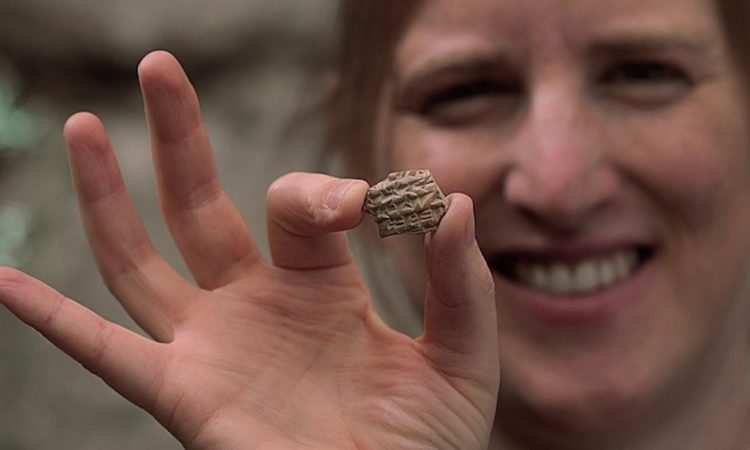
In a discovery that bridges history and the Bible, archaeologists in Jerusalem have unearthed a 2,700-year-old pottery fragment inscribed with cuneiform text that appears to confirm events described in 2 Kings 18. The remarkable artifact—dating to around 700 B.C., during the First Temple period—was found near the Western Wall of the Temple Mount and is believed to record royal correspondence between the king of Assyria and the king of Judah, likely Hezekiah. Written in Akkadian, the international language of diplomacy in the ancient Near East, the inscription references a “chariot officer” and a deadline “on the first day of the month of Av,” alluding to a delayed payment or tax dispute. According to the Israel Antiquities Authority (IAA), this fragment is the only Assyrian inscription ever discovered in Jerusalem from that era—making it an unprecedented archaeological link between scripture and statecraft.
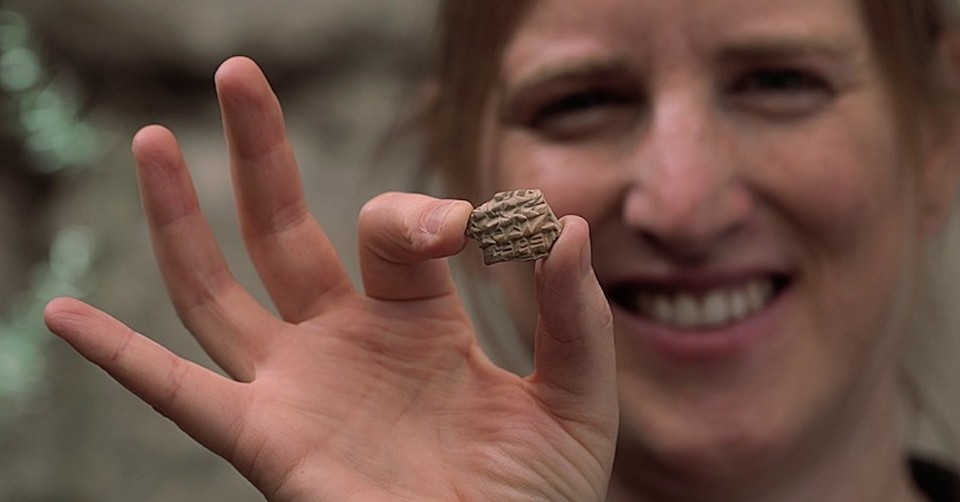
Scholars suggest that the message mirrors the biblical narrative in which King Hezekiah, defying Assyrian rule, withholds tribute from King Sennacherib—an act that sparks invasion and confrontation across the land of Judah. The fragment’s discovery provides tangible evidence of the geopolitical tension and divine drama recorded in the Old Testament, where faith and empire clashed under prophetic watch. As excavators continue to study the piece, many believe it serves as yet another affirmation that the stories of Scripture are not merely theological allegories but historical realities preserved beneath Jerusalem’s ancient stones. In the words of one researcher, “Every shard we uncover whispers that the Bible’s history still breathes beneath our feet.”


