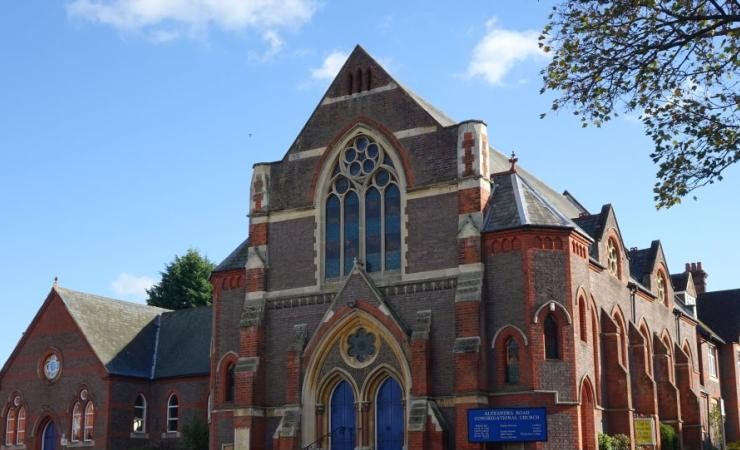
The conviction of 61-year-old Michael Toms, a director at Alexandra Road Congregational Church in Hemel Hempstead, has sent shockwaves across the Christian community. Found guilty at Chelmsford Crown Court of rape, multiple counts of indecent assault, and indecency with a child, Toms’ crimes trace back to the late 1970s and early 1980s. The victims, then barely teenagers, endured horrific abuse at a time when they should have been nurtured and protected. One of the incidents even occurred inside a church—an institution meant to serve as a haven of safety and faith.
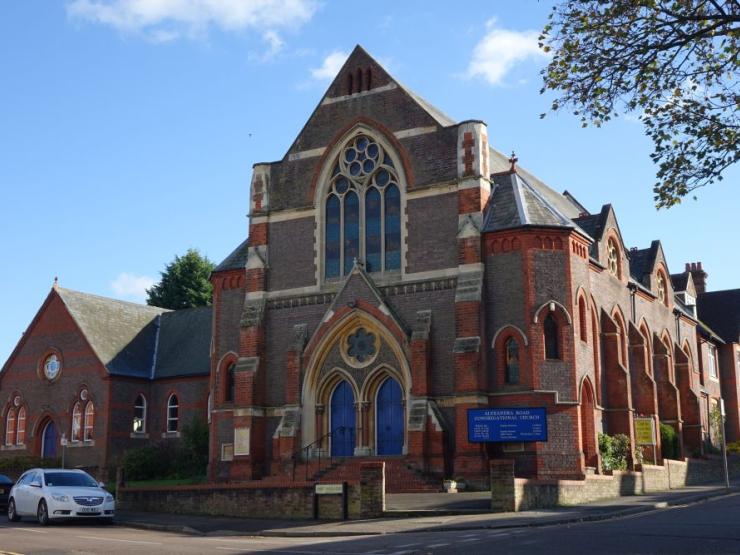
What makes the revelations even more disturbing is that despite the charges being brought in April 2024, Toms was still appointed as a director of the church in February 2025. His profile, once displayed on the church’s website as a deacon, has since been removed, but the delay raises critical questions about safeguarding practices and accountability within faith institutions. The fact that such a role of authority was granted to someone facing serious accusations has further eroded the confidence of many worshippers and observers who look to the church for moral leadership.
In response to the scandal, a spokesperson for Alexandra Road Congregational Church acknowledged “with sadness the dreadful impact” of the events and confirmed that safeguarding advice is being followed alongside statutory authority guidance. Yet, beyond official statements, this case underscores a deeper crisis: the tension between faith communities’ commitment to redemption and the urgent, non-negotiable responsibility to protect the vulnerable. As Toms awaits sentencing on September 30th, his case serves as a stark reminder that justice and safeguarding must always come before reputation or tradition in places of worship.