
“Crossing the Line”: Naomi Osaka Slams Ostapenko’s Comment to Taylor Townsend as ‘One of the Worst Things You Can Say to a Black Tennis Player’


The US Open is no stranger to drama, but few moments have reverberated across the tennis world like the fiery clash between Latvia’s Jelena Ostapenko and America’s Taylor Townsend on Wednesday night.
Townsend, who delivered a commanding 7-5, 6-1 victory to book her place in the third round, found herself at the center of a post-match storm when Ostapenko accused her of having “no class” and “no education” in a courtside exchange caught on cameras and microphones. The sting of those words—delivered to a Black athlete in a historically White-dominated sport—sparked immediate controversy.
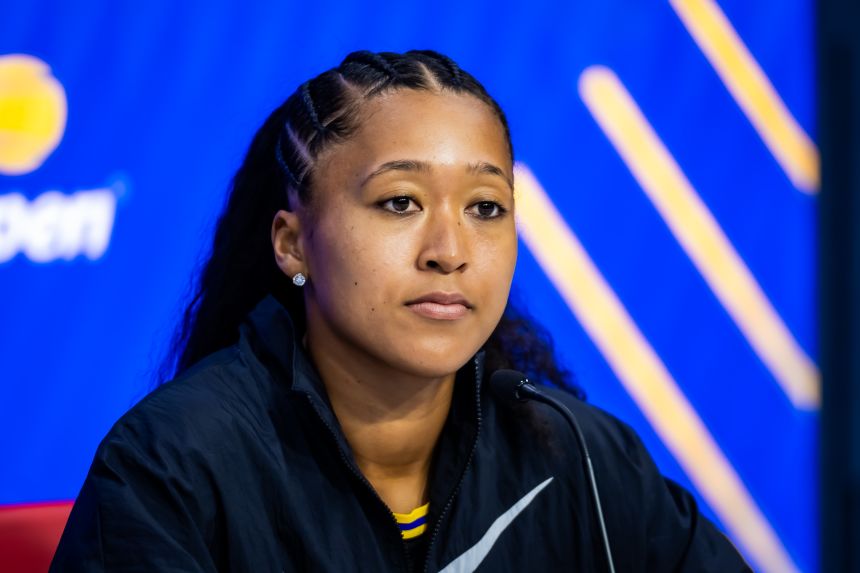
And on Thursday, four-time Grand Slam champion Naomi Osaka did not hold back when asked about the incident.
“It’s really difficult to say. I think obviously it’s one of the worst things you can say to a Black tennis player in a majority White sport,” Osaka said after her straight-sets win over Hailey Baptiste. “I know Taylor. I know how hard she’s worked and how smart she is. She’s the furthest thing from uneducated.”
A History of Fire and Friction
Ostapenko has never been far from controversy, and Osaka admitted as much.
“If you’re genuinely asking me about the history of Ostapenko, I don’t think that’s the craziest thing she’s said,” Osaka noted candidly. “But it’s ill-timed and the worst person you could have ever said it to. I don’t know if she understands the history of it in America.”
The trigger, according to Ostapenko, was not an on-court insult but a moment of sportsmanship—or the lack thereof. She claimed her anger boiled over when Townsend failed to say “sorry” after a lucky net cord in the second set.
But Osaka, shrugging off the supposed breach of etiquette, called the reaction overblown:
“Honestly, I probably don’t care either way. I definitely wouldn’t care to the point where it would affect me that much. I think it’s up to the person whether they apologize or not.”

Voices From the Locker Room
World No. 1 Aryna Sabalenka, speaking to reporters, offered a more sympathetic view of the Latvian, suggesting Ostapenko’s volatility stems from personal battles.
“She’s nice, but sometimes she can lose control,” Sabalenka said. “I really hope that one day she will figure herself out and handle it much better.”
Yet many believe this moment may linger longer than her usual blowups. By Thursday, after a first-round doubles exit, Ostapenko skipped media duties altogether, with organizers citing “medical reasons.”
Why This Matters Beyond the Court
Osaka’s words land heavily because they highlight an uncomfortable truth: language in tennis—and sport more broadly—carries weight far beyond competition. When remarks intersect with race, history, and identity, they cut deeper.
Townsend has yet to publicly respond at length, but her calm composure in victory contrasted sharply with Ostapenko’s ire. For many, it was a reminder that poise under fire can be just as powerful as a booming serve.
The US Open continues, but this flare-up ensures one storyline will trail long after the final ball is struck: in 2025, tennis is still grappling with issues of respect, representation, and the fine line between passion and prejudice.


