From Wounds to Wisdom: The Gift of Healing from Childhood Trauma


Childhood trauma can have a profound impact on an individual’s life, affecting their emotional, psychological, and physical well-being. However, healing from these wounds can be a transformative gift to one’s adult self. By acknowledging the past, seeking help, and practicing self-compassion, individuals can break free from the shackles of trauma and live a purpose-filled life.
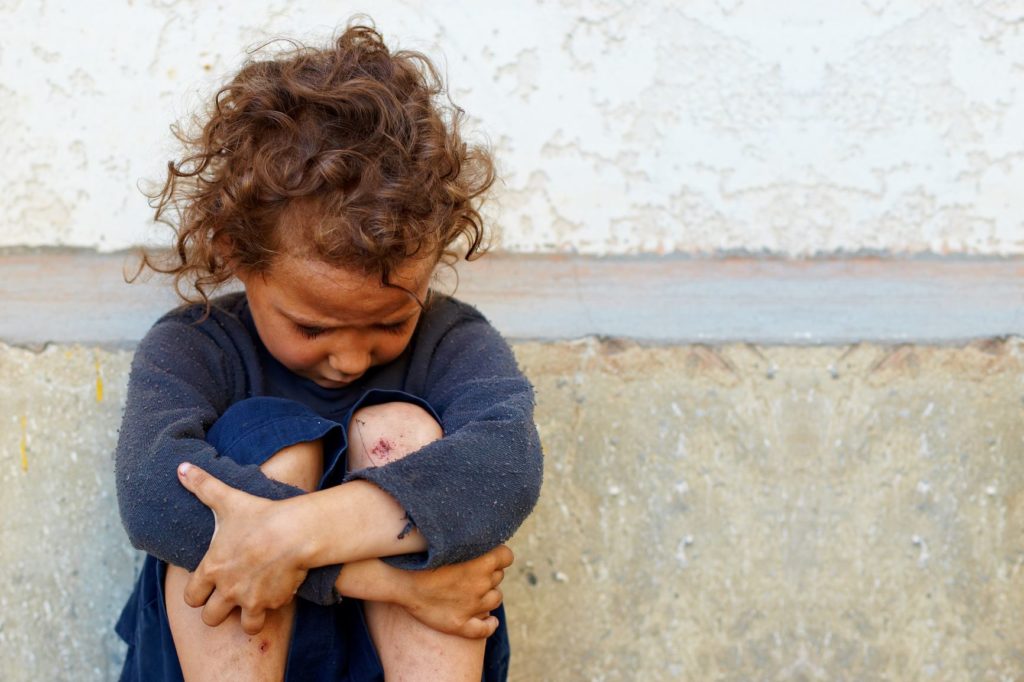
Understanding Childhood Trauma
Childhood trauma refers to experiences that overwhelm a child’s ability to cope, leading to lasting emotional, psychological, and physical scars. These experiences can range from physical, emotional, or sexual abuse to neglect, household dysfunction, or exposure to violence. The impacts of childhood trauma are far-reaching, affecting various aspects of life, including:
– Emotional Issues: sadness, anxiety, anger, fear, and confusion
– Relationship Problems: difficulty forming secure attachments and trusting others
– Mental Health Issues: depression, anxiety, PTSD, and substance abuse
– Physical Health Issues: cardiovascular disease, obesity, and autoimmune disorders
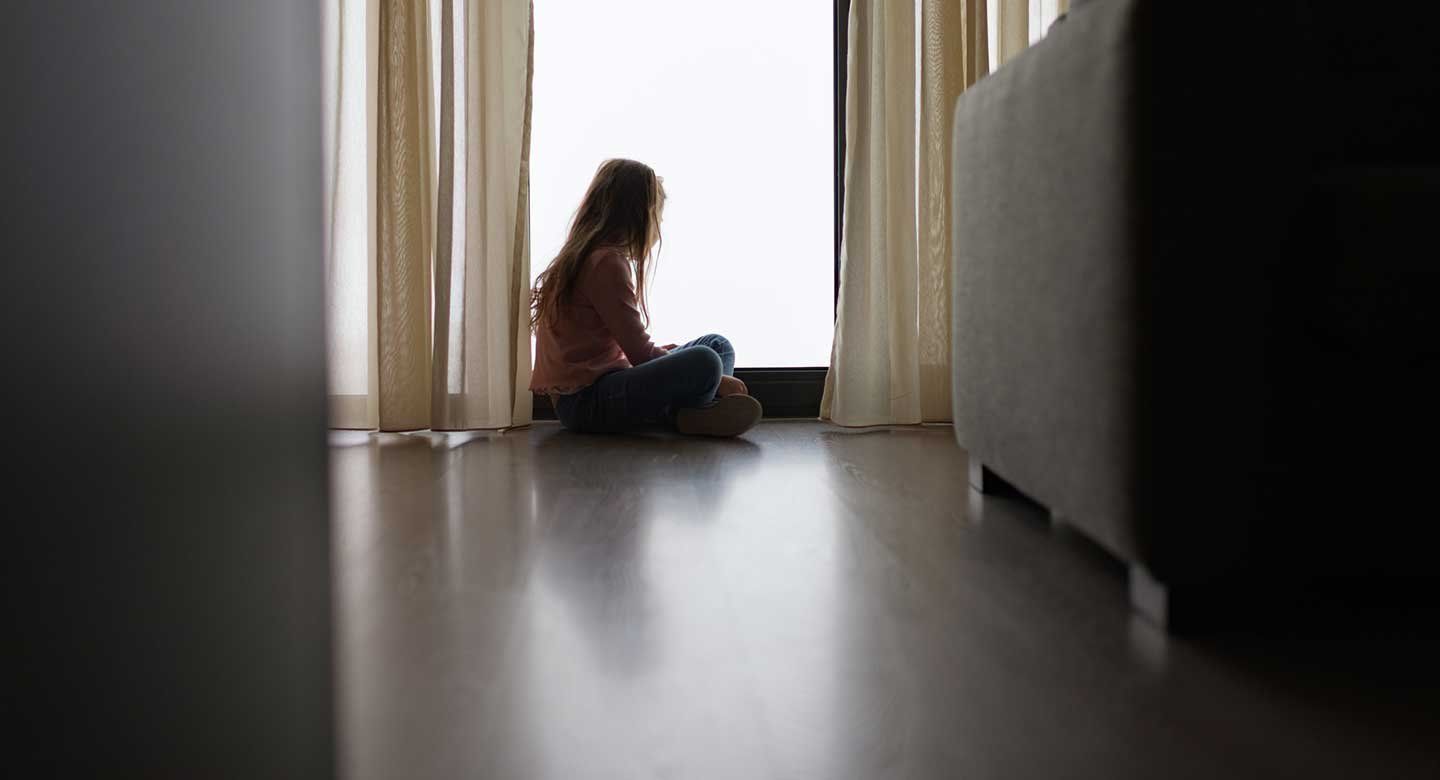
Recognizing the Signs
Childhood trauma can manifest in adulthood in various ways, including:
– Emotional Dysregulation: frequent mood swings, intense emotional reactions, and difficulty managing stress
– Flashbacks and Intrusive Memories: vivid memories of traumatic events
– Avoidance Behavior: avoiding people, places, or situations that trigger memories
– Hypervigilance: constantly scanning the environment for perceived threats
– Trust Issues: trouble trusting others and forming healthy attachments

The Healing Journey
Healing from childhood trauma requires a multifaceted approach, including:
– Acknowledging and Validating Trauma: recognizing the trauma and seeking professional help
– Coping Strategies: therapeutic intervention, meditation, mindfulness, and physical activities
– Maintaining a Healthy Lifestyle: nutrition, sleep, and self-care
– Processing and Letting Go: understanding grieving and releasing the past
– Building Resilience: developing healthy relationships, self-care, and self-love
Therapeutic Approaches
Several therapies can help individuals heal from childhood trauma, including:
– Cognitive-Behavioral Therapy: identifying and challenging negative thought patterns
– Trauma-Focused Cognitive-Behavioral Therapy: combining cognitive behavior techniques with trauma-focused interventions
– Eye Movement Desensitization and Reprocessing: processing past trauma using eye movements and bilateral stimulation
Building Resilience
Building resilience is crucial in the healing journey. The seven C’s of resilience can help individuals develop a stronger sense of self:
– Competence: believing in one’s abilities
– Confidence: built from processing wins and losses
– Connection: engaging in healthy relationships
– Character: restoring integrity through repairing boundaries
– Contribution: having purpose and meaning
– Coping: managing stress and emotions effectively
– Control: taking charge of one’s life

Practicing Self-Compassion
Practicing self-compassion is essential in healing from childhood trauma. This involves:
– Self-Kindness: treating oneself with warmth and understanding
– Common Humanity: recognizing that all humans fail and make mistakes
– Mindful Approach: observing experiences without judgment
Conclusion
Healing from childhood trauma is a journey that requires patience, self-compassion, and support. By acknowledging the past, seeking help, and practicing self-care, individuals can break free from the shackles of trauma and live a purpose-filled life. With the right tools and support, individuals can transform their wounds into wisdom, embracing their new selves and living a life of resilience and hope.