The Dark Side of ‘AI Jesus’ Chatbots: Unbiblical Answers and Profit-Driven Motives

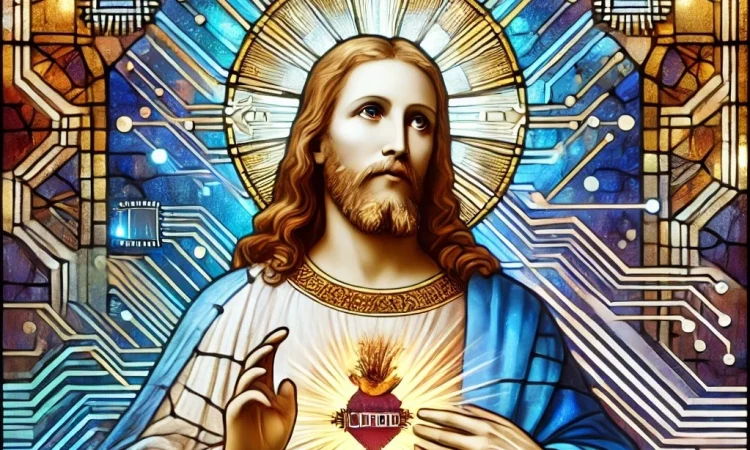
A recent study by philosophy professor Anné Hendrik Verhoef of North-West University in South Africa has raised concerns about the accuracy and motivations of popular “AI Jesus” chatbots. These chatbots, designed to simulate conversations with Jesus, often provide unbiblical responses and are driven by profit motives rather than a desire to spread the teachings of Christ. Verhoef examined five AI chatbots—AI Jesus, Virtual Jesus, Jesus AI, Text Jesus, and Ask Jesus—and found that four of them claim to be Jesus, with only Ask Jesus refraining from making such a claim.

Unsettling Implications for Theology and Faith
The study highlights the potential dangers of these chatbots, including their ability to manipulate users and spread unbiblical teachings. With their advanced AI capabilities, these chatbots can appear incredibly convincing, making them a challenge for theology and faith. Verhoef notes that the depictions of God in these chatbots not only imitate and portray themselves as God but also wield immense manipulative power. This raises questions about the Second Commandment, which prohibits making images of God ¹.
The Business of Faith
The AI Jesus chatbots are developed by for-profit companies, not churches, and generate revenue through advertisements. Some chatbots, like Text with Jesus, offer ad-free subscriptions for a fee. This business model raises concerns that the religious teachings provided by the chatbots will be shaped by algorithms designed to keep users engaged for advertisers, rather than following traditional church doctrine. As Verhoef warns, the theology presented by these chatbots may become more focused on popularity than biblical accuracy.