
Air Traffic Controller Overwhelmed: FAA Blamed for Fatal Collision in Washington, D.C.

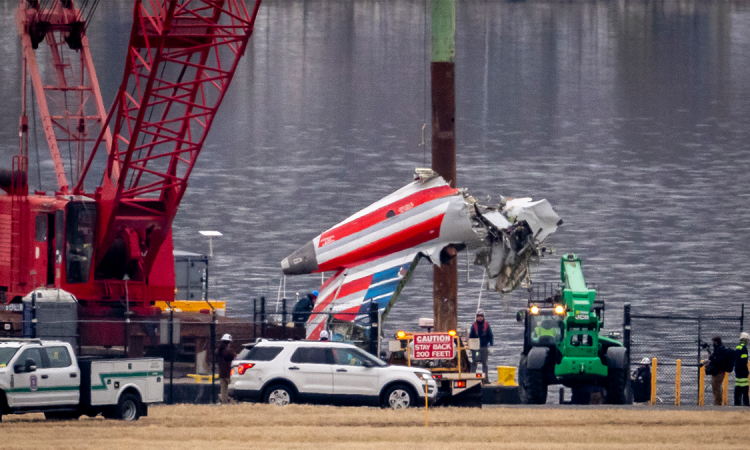
A recent Federal Aviation Administration (FAA) official testimony revealed that an air traffic controller failed to notify the crew of a commercial plane about an Army helicopter moving toward the aircraft before a fatal collision in Washington, D.C. in January, which killed 67 people. The incident occurred at Ronald Reagan National Airport, where the controller was managing a high volume of takeoffs and landings, including helicopter traffic. The FAA’s first acknowledgment of a possible error in the control tower came on the second day of National Transportation Safety Board (NTSB) hearings looking into what led to the midair crash.
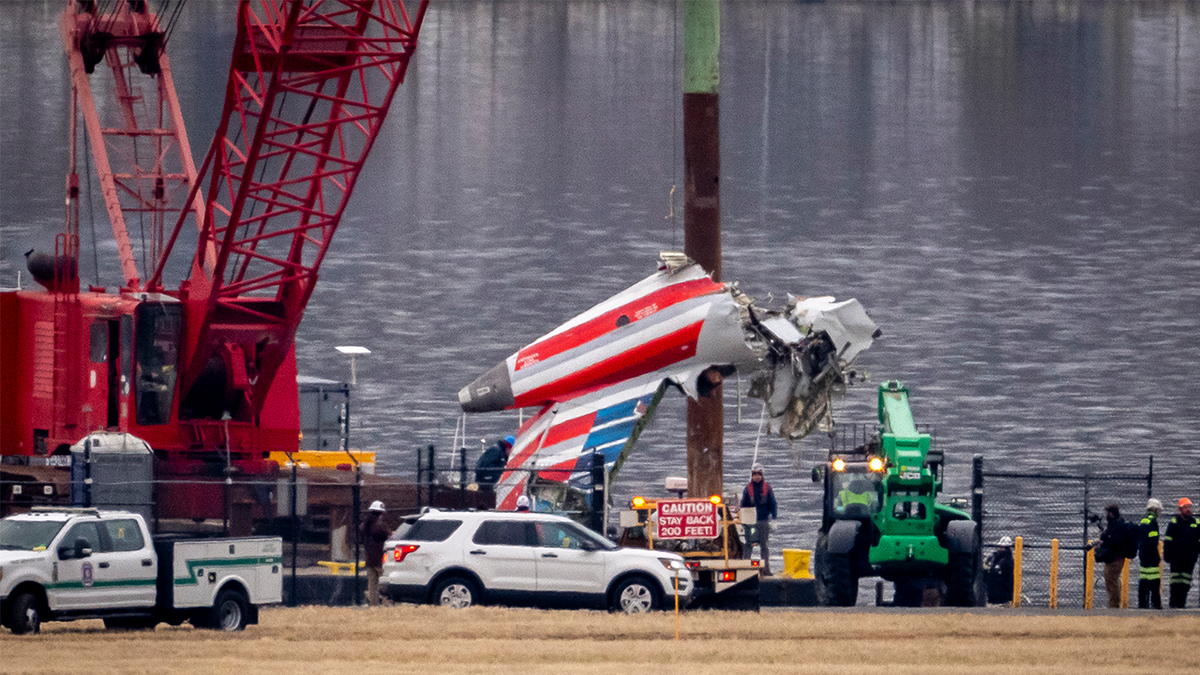
The controller responsible for guiding the flights of the Black Hawk helicopter and American Airlines jet had juggled communications with 21 different aircraft in the 10 minutes before the collision. NTSB chairwoman Jennifer Homendy pressed FAA officials about the sequence of communications with the jet arriving, and they acknowledged that the controller should have informed the airliner’s crew about the helicopter’s presence. The airport often saw nearly 80 departures and arrivals an hour, and officials testified that tactics used to manage heavy aircraft traffic had tower jargon, including “squeeze play,” which involves pushing planes through takeoffs and landings with minimal separation.
The pressure at the airport extended to a nearby air traffic control facility, where officials described the challenges of managing high volumes of traffic. The FAA imposed limits on the use of visual separation in the aftermath of the collision and reduced the arrival rate of aircraft. Staffing at the airport has also been a problem, with NTSB investigator Brian Soper citing significant concerns about the number of available controllers. The investigation is ongoing, with the NTSB and FAA working to determine the root cause of the collision and implement measures to prevent similar incidents in the future.





 official testimony revealed that an air traffic controller failed to notify the crew of a commercial plane about an Army helicopter moving toward the aircraft before a fatal collision in Washington, D.C. in January, which killed 67 people.)


