Deadly Brain-Eating Amoeba Claims Life in South Carolina: What You Need to Know


A pediatric death from a “brain-eating amoeba” has been reported in South Carolina, sending shockwaves through the community. According to health officials, the patient died after exposure to Naegleria fowleri, a rare amoeba that causes a life-threatening brain infection called primary amebic meningoencephalitis (PAM). The exposure likely occurred at Lake Murray, although officials cannot be completely certain due to the amoeba’s natural presence in many warm water lakes, rivers, and streams.
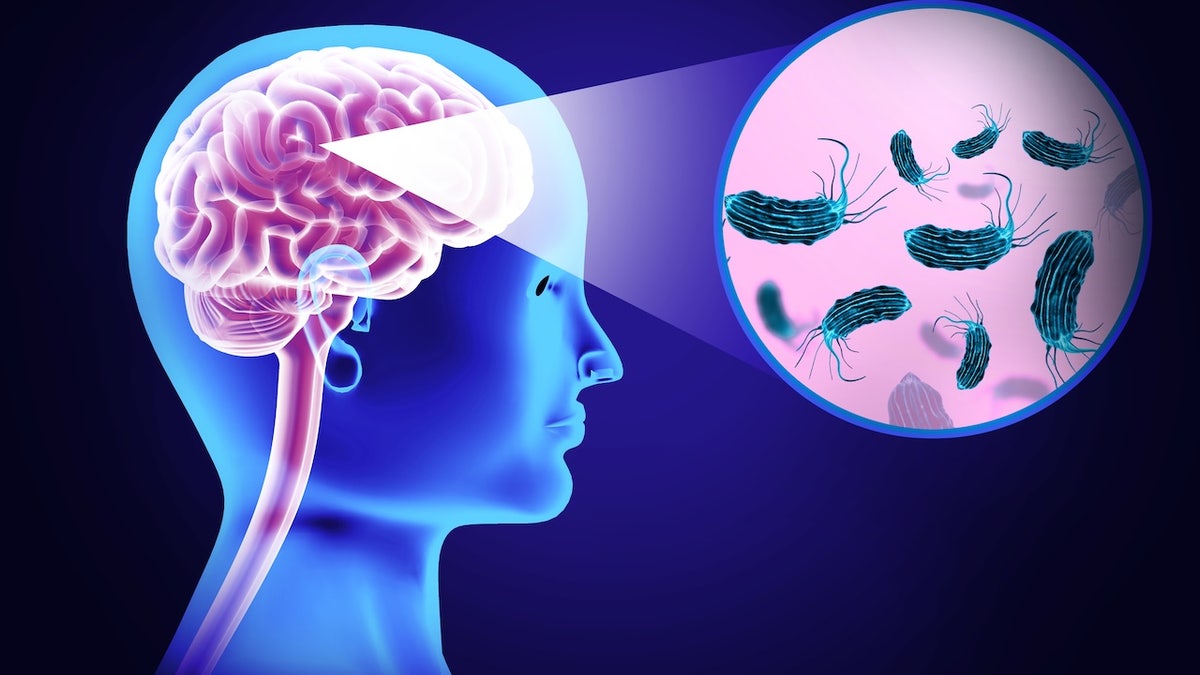
The risk of infection is highest during the summer months when the water temperature stays above 77F, and water activities like swimming or diving in warm freshwater areas can increase the risk of exposure. However, infection in humans is extremely rare, with fewer than 10 people in the US getting infected every year. The death rate for Naegleria fowleri exceeds 97%, making it a highly fatal infection. Early symptoms include headache, nausea, fever, and vomiting, and can progress to confusion, stiff neck, and seizures.

To prevent potentially fatal infections, health officials recommend knowing how and when exposure could be dangerous. Holding your nose shut, using nose clips, or keeping your head above water can reduce the risk of infection. Avoiding jumping or diving into fresh water and stirring up sediment at the bottom of lakes, ponds, and rivers can also help prevent infection. If you experience sudden headache, fever, stiff neck, or vomiting after swimming in warm freshwater, seek immediate medical attention.