
Nuclear Fallout: US Strikes Iran, Russia Warns of Warhead Supply


The US has launched airstrikes against three key Iranian nuclear facilities, Fordow, Natanz, and Isfahan, involving over 125 aircraft, including B-2 stealth bombers. The mission, authorized by President Donald Trump, aimed to disrupt Iran’s nuclear program. Russia’s Foreign Ministry swiftly condemned the strikes, labeling them a “flagrant violation” of international law and the UN Charter. Dmitry Medvedev, Russia’s Deputy Chairman of the Security Council, warned that multiple countries are poised to supply Iran with nuclear warheads, although he didn’t specify which nations.
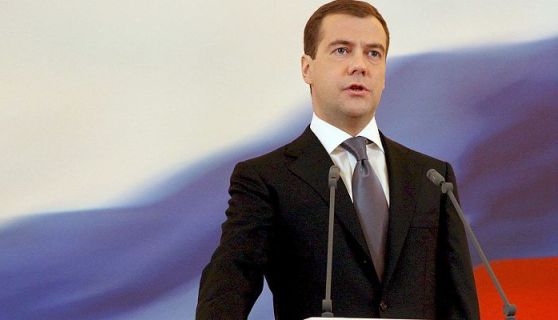
Medvedev’s comments suggest a potential escalation of the conflict, with Russia historically backing Iran’s nuclear program. In 2015, Moscow was involved in the Joint Comprehensive Plan of Action, a nuclear deal that imposed limits on Iran’s nuclear activities in exchange for sanctions relief. The deal, however, collapsed in 2018 when the US withdrew under Trump’s administration. Iran has since accelerated its nuclear enrichment, with the International Atomic Energy Agency (IAEA) reporting a significant increase in its stockpile of uranium enriched to 60% fissile purity.
The international community is now bracing for Iran’s response, with the US working closely with regional allies to enhance force protection. Secretary of Defense Pete Hegseth emphasized the importance of collaboration with allies in the region, acknowledging the challenges and sensitivities involved. As tensions escalate, the global community urges restraint and a return to diplomacy to prevent further conflict.


