From Feud to Fair Play: Simone Biles Apologizes to Riley Gaines in Women’s Sports Debate – But the Battle Isn’t Over


USA — In a stunning turn of events, Olympic gymnastics legend Simone Biles has publicly apologized to former NCAA swimmer Riley Gaines after their fiery social media clash over transgender athletes in women’s sports. But while the two athletes have called a truce, the underlying debate remains as heated as ever.
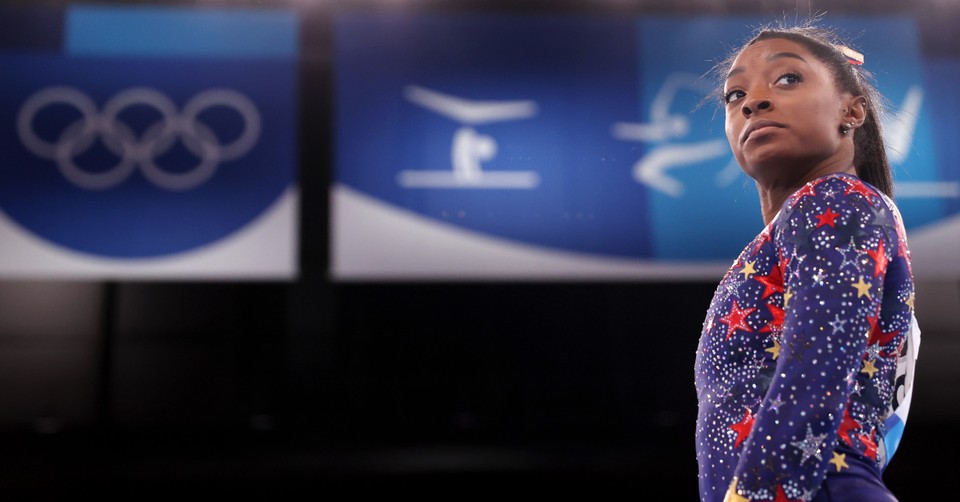
How the Feud Started
The war of words began last week when Gaines criticized the Minnesota State High School League for disabling comments on a post celebrating a girls’ softball championship—a move Gaines suggested was due to one of the players being male.
Biles fired back on X (formerly Twitter), accusing Gaines of making sports unsafe:
“One thing [is] for sure is no one in sports is safe with you around!!!!!”
In a follow-up jab, she added: “[B]ully someone your own size, which would ironically be a male.”
Gaines, who famously competed against transgender swimmer Lia Thomas in 2022, called Biles’ remarks “so disappointing” and invited her to discuss the issue on her “Gaines for Girls” podcast.
Biles’ Surprise Apology
On Tuesday, Biles walked back her personal attacks while standing firm on her stance:
“I’ve always believed competitive equity & inclusivity are both essential in sport… It didn’t help for me to get personal with Riley, which I apologize for.”
She emphasized that young athletes should not bear the brunt of public scrutiny over policies they didn’t create:
“Individual athletes—especially kids—should never be the focus of criticism of a flawed system they have no control over.”
But she stopped short of endorsing Gaines’ position, instead calling for “empathy and respect” while leaving solutions to sports organizations.
Gaines Accepts—But Pushes Back
Gaines, a vocal advocate for biological women’s sports, accepted Biles’ apology, calling her “the greatest female gymnast of all time.” However, she challenged Biles’ framing of the issue:
“Sports ARE inclusive by nature… Competition, on the other hand, is exclusive. So the idea of ‘competitive equity’ is nonsensical.”
She doubled down on her argument that allowing male-bodied athletes in women’s competitions harms female athletes, adding:
“You can’t have any empathy and compassion for the girls if you’re ignoring when young men are harming or abusing them.”
The Bigger Battle: Who Will Lead the Charge?
While both women agreed that sports leaders and lawmakers—not individual athletes—should fix the system, Gaines pointed out a key difference: Biles hasn’t used her platform to advocate for policies protecting women’s sports.
Gaines, who has sued the NCAA and supported Trump’s executive order barring transgender athletes from women’s competitions, ended with an olive branch—and a challenge:
“I welcome you to the fight to support fair sports and a future for female athletes. Little girls deserve the same shot to achieve what you had.”
What’s Next?
With Biles’ apology, the personal feud may be over—but the cultural war over women’s sports is far from settled. As more states pass laws restricting transgender athletes in girls’ and women’s competitions, the pressure on high-profile athletes like Biles to take a stand will only grow.
One question remains: Will the most decorated gymnast in history join the fight—or stay on the sidelines?