
He Fell Out of His Chair and We Knew”: The Heartbreaking Early Signs Michael Bolton’s Family Almost Missed

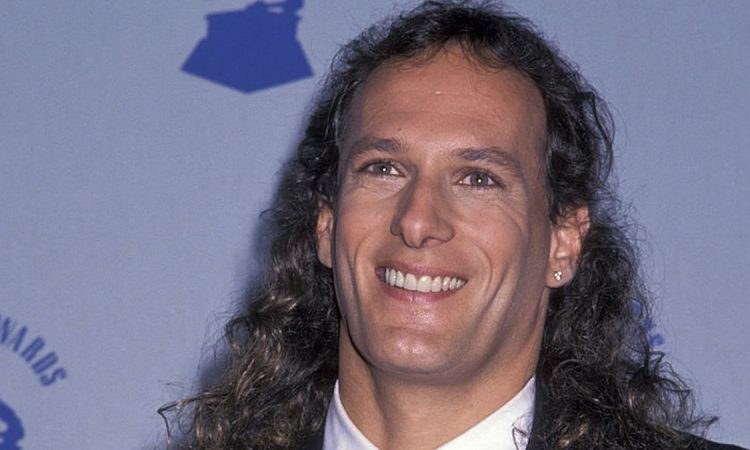
It was just a family night at the bowling alley — laughter, sibling banter, and the familiar thud of pins dropping. But for the family of Grammy-winning singer Michael Bolton, that night in November 2023 would mark the quiet unraveling of a devastating truth. The moment the world-renowned balladeer bowled out of turn—again and again—and suddenly fell out of his chair without warning, his daughters froze.
“He’s super athletic, and he doesn’t drink,” said Taryn Bolton, 45, in an emotionally raw interview with People. “So he fell, and we were like, ‘What just happened?’”
What they didn’t know then was that their beloved father — the powerhouse behind “How Am I Supposed to Live Without You” — was already battling the early effects of glioblastoma, the deadliest and most aggressive form of brain cancer.
The diagnosis would come just weeks later, in December 2023, following a series of symptoms that, in hindsight, painted a chilling picture: confusion, falls, disorientation, headaches, and unexplained nausea. But like so many families, they chalked it up to age, stress, or exhaustion.

“He’d been working nonstop that whole time,” Taryn recalled. “We just thought he was tired.”
When the Body Whispers and the Brain Screams
Before the official diagnosis, the signs were subtle but persistent. At a charity event earlier that fall, Bolton struggled to keep his balance. Onstage, the otherwise composed singer appeared off-kilter, almost dazed. Nausea crept in, but was brushed off.
These were not just signs of fatigue — they were the insidious symptoms of glioblastoma.
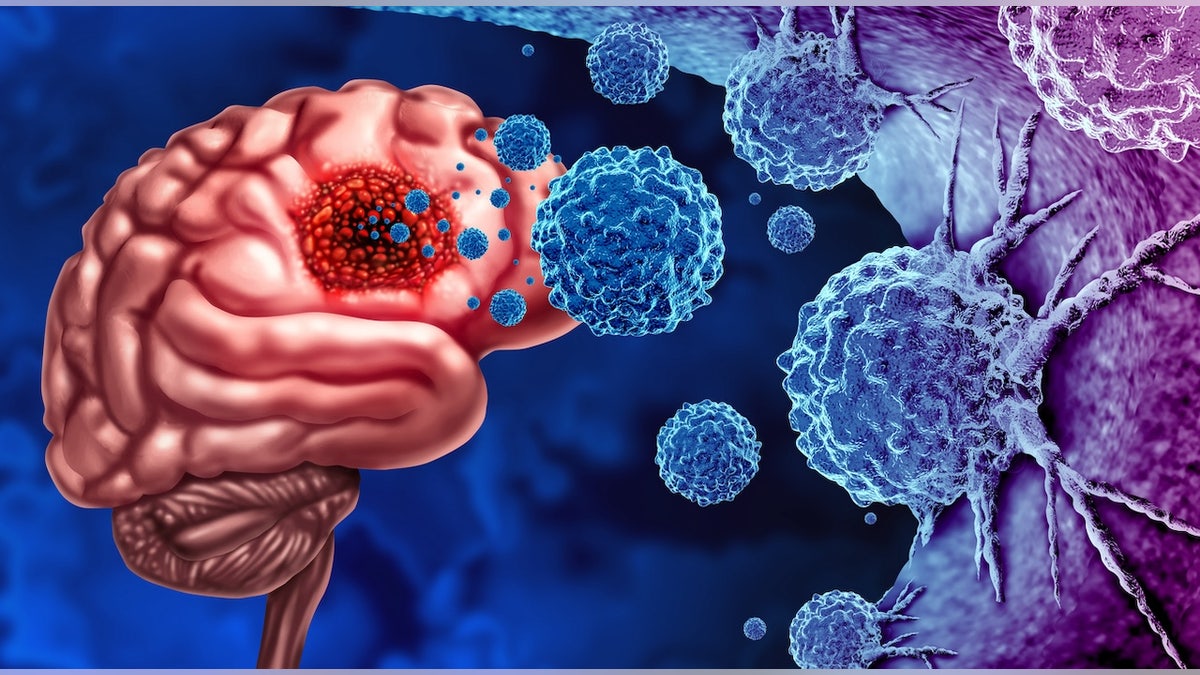
Dr. Michael Canney, chief scientific officer of Carthera, explained the silent brutality of this disease to Fox News Digital. “Glioblastoma begins when genetic changes in brain cells cause them to grow uncontrollably,” he said. “They invade surrounding brain tissue, making the tumor incredibly aggressive and difficult to treat.”
It was only after the fall at the bowling alley and days of increasing headaches that Bolton’s family sought an MRI. What it revealed was devastating: a brain tumor.
A Voice Silenced, But Not Broken
The tumor was surgically removed, and Bolton began an aggressive treatment regimen — a brutal cocktail of radiation and chemotherapy. The treatments have harsh side effects, but according to his daughters, “succumbing is not an option.”
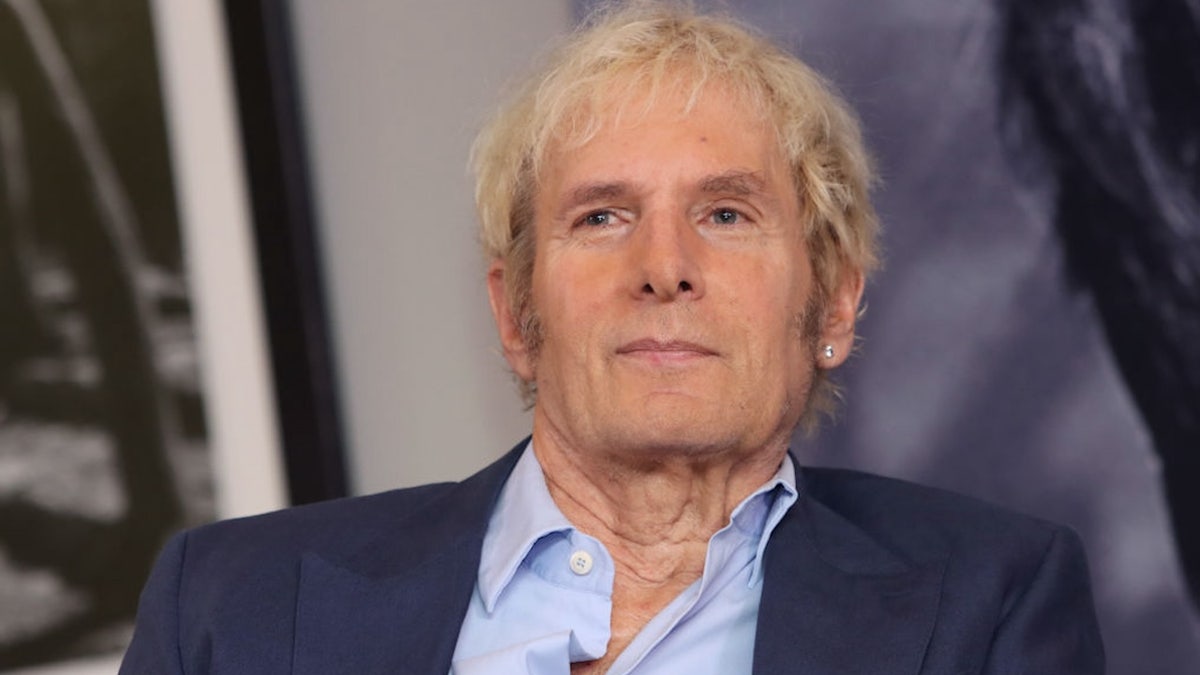
“Dad has always been a fighter,” said Taryn. “Even now, when he’s not singing, his voice is in every room he enters.”
Despite the odds — a median survival rate of 12 to 18 months and a five-year survival rate of less than 5% — Bolton continues to receive bi-monthly MRIs to monitor any recurrence. For now, the tumors have not returned. But glioblastoma is a relentless adversary.
The Disease That Changes Everything
“Looking back now,” Taryn admitted, “we see so many things we missed.”
The story isn’t just about Michael Bolton. It’s about what families can miss, and how life can change in a single, quiet moment. A fall. A forgotten sequence. A headache shrugged off.
“These signs — they matter,” said Dr. Canney. “Confusion, behavior changes, memory loss, nausea, vision issues — they can all be red flags. Glioblastoma doesn’t come with a loud entrance. It creeps in, and by the time it announces itself, it may be too late.”
Hope Beyond the Horizon
Yet, in the midst of one of life’s darkest valleys, hope flickers.
Clinical trials are underway that could reshape the future of brain cancer treatment. One promising technology involves ultrasound-assisted drug delivery, capable of temporarily opening the blood-brain barrier, allowing more effective chemotherapy drugs to reach the tumor.
“If approved,” Dr. Canney said, “it could be a breakthrough. It would change how we treat not just glioblastoma, but many other brain disorders.”
Final Notes from a Father and Fighter
For now, Michael Bolton’s voice is quieter. His tours are paused. The spotlight dimmed. But he remains the heart of his family, the echo in their memories, and the fighter in their story.
As Taryn reflected, “That night at the bowling alley — it saved his life. And changed ours forever.”
Let this story be a wake-up call. To listen. To observe. And to never dismiss the whispers of the body. Sometimes, they are screaming for help.



, while 42 percent see the same among Millennials (ages 27 to 41). These numbers tell a story that defies decades of conventional wisdom: young adults are not merely trickling back to church;)


