Opening the Gates of Opportunity: Harvard Announces Free Tuition for Families Earning Under $200,000

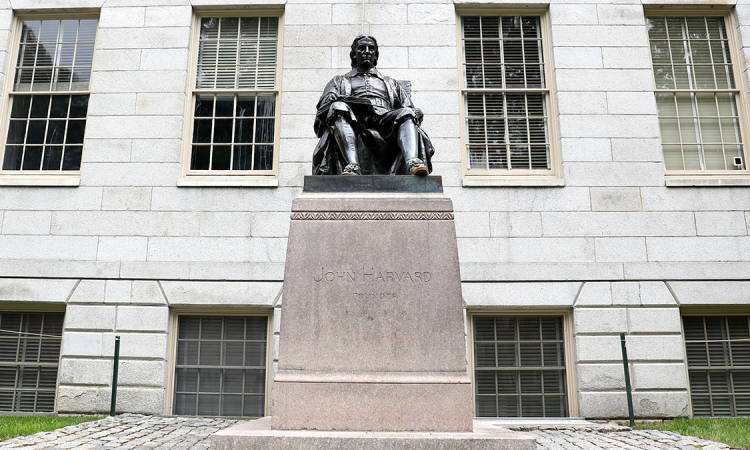
In a landmark move that promises to reshape the landscape of higher education accessibility, Harvard University announced on Monday that it will offer free tuition to students whose families earn 200,000 or less per year. 100,000 or less annually will receive additional support, including free housing, meals, and health services. This bold initiative aims to dismantle financial barriers and ensure that a Harvard education is within reach for students from diverse socioeconomic backgrounds.

“Putting Harvard within financial reach for more individuals widens the array of backgrounds, experiences, and perspectives that all of our students encounter, fostering their intellectual and personal growth,” said Harvard President Alan M. Garber in a statement. “By bringing people of outstanding promise together to learn with and from one another, we truly realize the tremendous potential of the University.”
A Transformative Commitment to Accessibility
Harvard’s decision is part of a broader effort to make its world-class education more accessible. The university estimates that approximately 86% of American families will now qualify for financial aid under the expanded program. For families earning $100,000 or less, the comprehensive support package—covering tuition, housing, food, and health services—will significantly reduce the financial burden of attending one of the world’s most prestigious institutions.
“Our goal is to bring the most promising students to Harvard—period,” the university stated on its website. “We know that paying for college is a big concern for many families, and we’re committed to making a Harvard education—and the opportunities that come with it—possible for more students than ever.”
The announcement comes at a time when the cost of higher education remains a pressing concern for families across the United States. With Harvard’s annual tuition alone costing 56,550—andtotalexpenses,includingroom,board,andhealthservices,reachingapproximately83,000—the financial aid initiative is a game-changer for middle- and lower-income students.
A Growing Movement Toward Tuition-Free Education
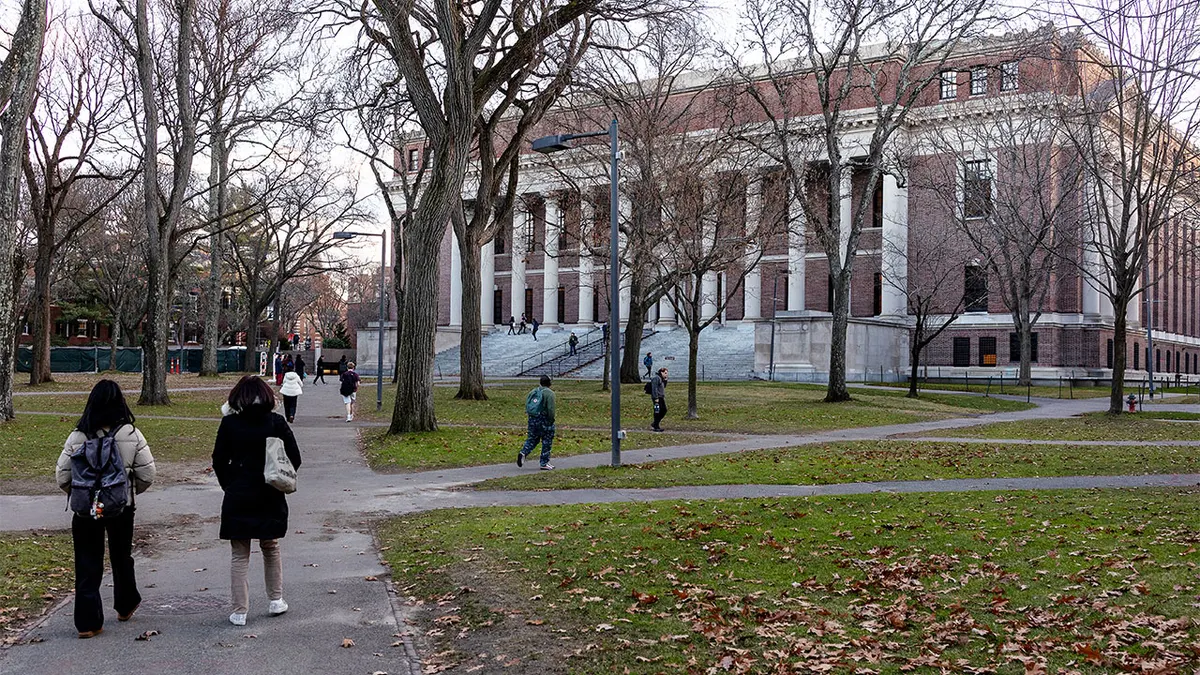
Harvard’s decision aligns with a growing national movement to make higher education more affordable. Sen. Bernie Sanders, I-Vt., a longtime advocate for tuition-free public colleges, praised the announcement and called for similar reforms across the country. “10 years ago, when I introduced a bill to make public colleges & universities tuition-free, it was called ‘radical.’ Not today,” Sanders wrote on X. “Over 100 colleges & universities now offer free tuition to working-class students. Now, we must expand that idea to all public colleges & universities.”
Harvard’s initiative builds on its longstanding commitment to financial aid. Since launching the Harvard Financial Aid Initiative in 2004, the university has awarded more than $3.6 billion in undergraduate financial aid. This latest expansion underscores Harvard’s dedication to fostering a diverse and inclusive academic community.
A Vibrant Learning Community for All
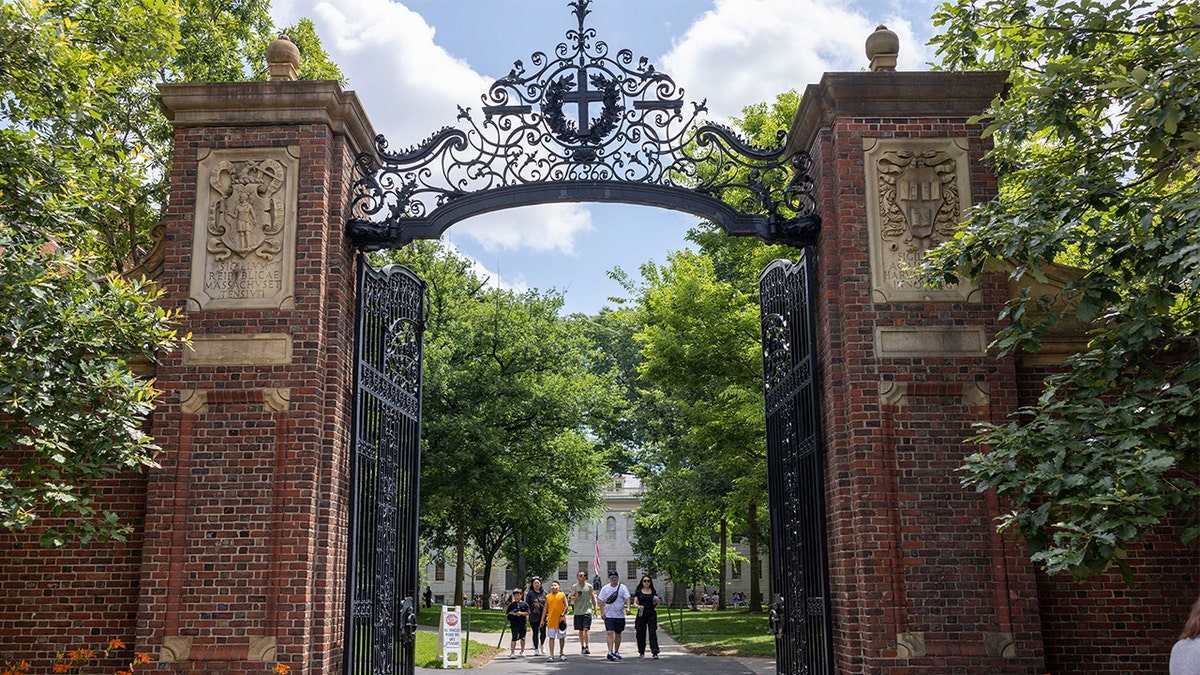
William R. Fitzsimmons, Harvard College’s Dean of Admissions and Financial Aid, emphasized the importance of socioeconomic diversity in enriching the educational experience. “We know the most talented students come from different socioeconomic backgrounds and experiences, from every state and around the globe,” Fitzsimmons said. “Our financial aid is critical to ensuring that these students know Harvard College is a place where they can be part of a vibrant learning community strengthened by their presence and participation.”
The initiative is expected to attract a broader pool of applicants, ensuring that Harvard’s student body reflects a wide range of perspectives and life experiences. By removing financial barriers, the university hopes to empower students to focus on their academic and personal growth without the looming stress of debt.
A Beacon of Hope in Higher Education
Harvard’s announcement has been met with widespread acclaim, with many viewing it as a beacon of hope in the ongoing struggle to make higher education more equitable. The decision not only benefits individual students but also sets a powerful example for other institutions to follow.
As the cost of college continues to rise, Harvard’s commitment to affordability and accessibility sends a clear message: talent and potential should not be limited by financial circumstances. By opening its doors wider than ever before, Harvard is not just investing in its students—it is investing in a brighter, more inclusive future for all.