The Illusion of Connection: 7 Ways Social Media Fuels Loneliness Instead of Togetherness

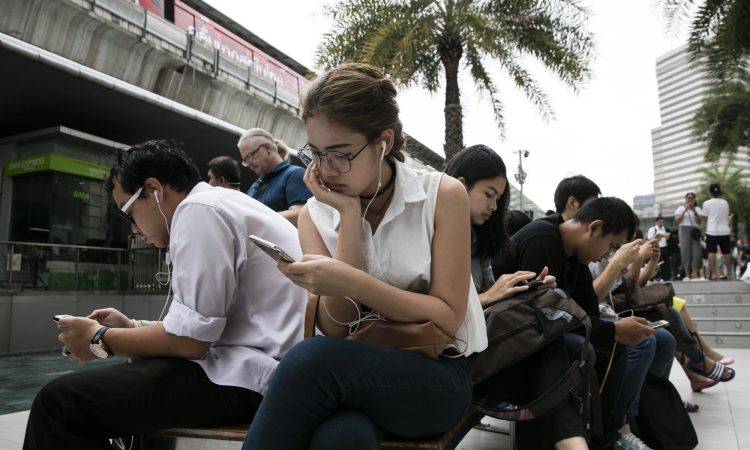
In a world where a single swipe can introduce us to thousands and a mere click can send our thoughts to millions, it is ironic that loneliness is at an all-time high. Social media, heralded as the bridge between distances, has instead become a vast and desolate landscape where real connection is often an illusion. While it has revolutionized the way we communicate, it has also silently engineered an epidemic of isolation. Here are seven ways social media fosters loneliness rather than genuine connection.

1. Superficial Engagement Over Meaningful Interaction
A ‘like’ is not a conversation, and a ‘comment’ is not a heartfelt discussion. Social media platforms encourage quick, surface-level engagement rather than deep, meaningful interactions. Relationships require investment—something an emoji or a double-tap cannot provide. The illusion of interaction often masks the reality of emotional detachment.
2. The Comparison Trap
Social media thrives on curated perfection. Every timeline is a highlight reel, carefully filtered and crafted to project an idealized life. This fosters an environment where users measure their own lives against unrealistic standards, leading to feelings of inadequacy and loneliness. Instead of fostering connections, it breeds silent competition and self-doubt.

3. The Paradox of Virtual Crowds and Real-Life Isolation
Surrounded by thousands of online ‘friends’ yet struggling to find one to confide in—this is the paradox of the digital age. The more we interact online, the less we engage in real-life conversations. Over time, social skills deteriorate, making face-to-face interactions feel increasingly awkward and unnatural.
4. Addiction to Validation
The pursuit of likes, shares, and comments has turned social media into an emotional slot machine. Users crave digital validation, and when engagement drops, so does self-worth. This leads to a cycle where individuals seek affirmation online rather than in real, supportive relationships, deepening feelings of loneliness when those digital affirmations fall short.
5. False Sense of Belonging
While social media groups and communities appear to offer a sense of belonging, they often lack the depth of real-world relationships. True connection comes from shared experiences and vulnerability—something that is difficult to achieve in a space where authenticity is often compromised for likes and approval.
6. The Erosion of Presence
Being ‘connected’ online often means being disconnected in reality. Conversations at dinner tables are replaced with endless scrolling, and time with loved ones is often disrupted by notifications. The more we invest in our digital personas, the less present we are in our physical environments, leaving us feeling more alone despite being digitally surrounded.
7. The Burden of Digital Loneliness
Perhaps the most profound impact of social media is its ability to make loneliness feel isolating rather than universal. Seeing others appear happy, engaged, and socially fulfilled online makes personal loneliness feel like an individual failure rather than a widespread issue. This discourages individuals from reaching out and instead reinforces the feeling of solitude.

Breaking Free: Reclaiming Authentic Connection
Social media is a tool—it is neither inherently good nor bad. However, its misuse has reshaped the way we connect, often to our detriment. To combat digital loneliness, we must be intentional about forging deeper, real-world connections. Prioritizing face-to-face interactions, engaging in meaningful conversations, and practicing digital detoxes can help restore the balance between online presence and real-life fulfillment.
In the end, true connection is not found in the number of followers, retweets, or likes. It is found in the depth of relationships, the warmth of genuine conversations, and the embrace of authenticity—something no algorithm can replicate.