TERROR FROM ABOVE: MEXICAN CARTELS DEPLOY KAMIKAZE DRONES TO ATTACK U.S. BORDER AGENTS

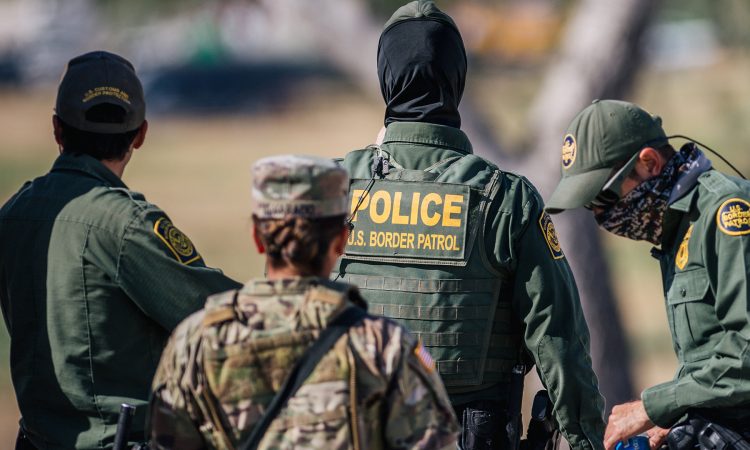
The revelation of drone warfare comes amid an aggressive border security initiative led by the Trump administration. Just days ago, Mexico agreed to deploy 10,000 troops to the U.S. border in exchange for a pause on economic tariffs. The U.S. has simultaneously ramped up deportation raids, specifically targeting individuals with criminal records, posing a direct threat to cartel smuggling operations.
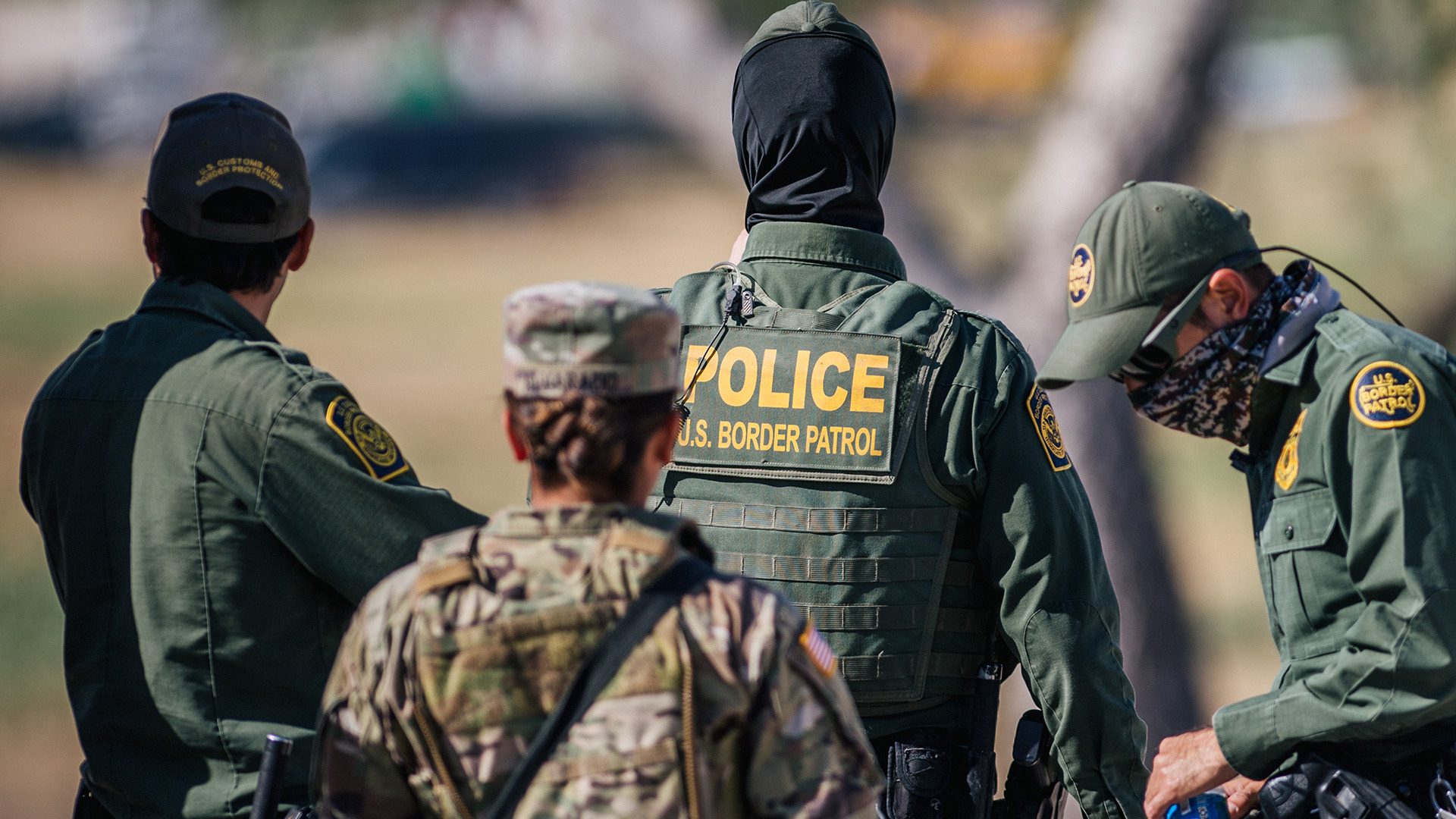
Cartel leaders have grown increasingly desperate, fearing that an expanded American presence at the border could significantly disrupt their multi-billion-dollar enterprises in narcotics and human trafficking. According to the memo, they have turned to coordinated social media propaganda, urging their foot soldiers to take extreme measures to resist law enforcement.
Social Media Warfare: Inciting Violence Against Border Agents
The memo also highlights a surge in cartel-backed social media campaigns designed to incite violence against federal agents. TikTok videos and other cartel-controlled accounts have reportedly instructed illegal immigrants to spit and urinate on ICE agents, defecate in their vehicles, and even target them for assassination.
These radical tactics have put thousands of Border Patrol and Department of Defense (DoD) personnel on high alert, with federal authorities now monitoring social media platforms for threats against law enforcement.

Gunfire at the Border: Cartels Take Direct Aim
The drone threat is not the only recent act of violence against U.S. agents. Last week, Border Patrol officers patrolling Fronton, Texas, were fired upon by cartel members stationed just across the border. According to the Texas Department of Public Safety, the cartel gunmen fled back to Mexico to avoid capture, using an island between the U.S. and Mexico as cover.
This brazen attack, along with the introduction of suicide drones, signals a dangerous turning point in cartel operations.
Washington Responds: Calls for Private Military Action
In response to the escalating cartel violence, Sen. Mike Lee (R-Utah) has suggested an aggressive countermeasure: allowing private military contractors and security firms to target drug cartels for profit.
“Congress could issue letters of marque and reprisal authorizing private security firms or specially trained civilians to intercept cartel operations,” Lee wrote on X (formerly Twitter). “Focus on disrupting supply lines, capturing high-value targets, or seizing assets like boats, vehicles, cash, gold, or equipment used in criminal activities.”
This proposal, reminiscent of bounty hunting laws from the 18th century, could empower private firms to strike cartel operations directly—a controversial but potentially effective countermeasure.
What Comes Next?
As the U.S. tightens its grip on cartel activities along the border, the stakes have never been higher. With drone warfare, armed assaults, and propaganda-fueled violence escalating, federal agents face unprecedented danger in their mission to secure the southern border.
U.S. Border Patrol and Department of Homeland Security officials are now evaluating new counter-drone technologies and enhanced security measures to mitigate the growing threat. However, one fact remains clear: the battle at the border is no longer just about drugs—it’s a full-scale war.