Eggflation: Soaring Prices Leave Shoppers Scrambling as Bird Flu Decimates Poultry Farms

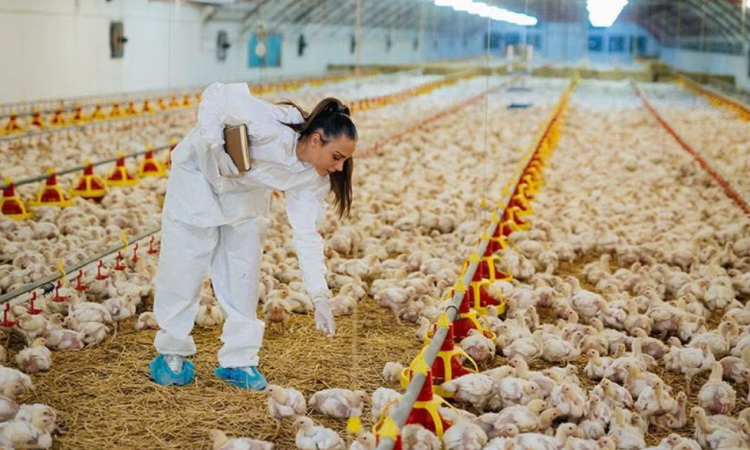
Omaha, Neb. – A relentless bird flu outbreak is wreaking havoc on the U.S. egg supply, forcing farmers to cull millions of chickens and sending egg prices skyrocketing. With Easter around the corner and demand rising, relief appears nowhere in sight, leaving consumers and grocery stores reeling from sticker shock.
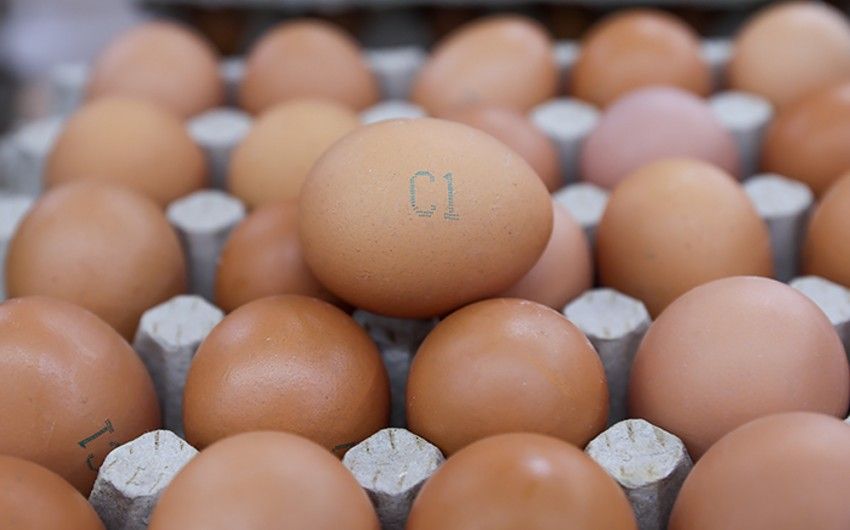
Egg Prices Surge, Shoppers Feel the Pinch
The national average price for a dozen eggs hit $4.15 in December, nearly double what it was in mid-2023. While that figure remains just shy of the $4.82 record set two years ago, the U.S. Department of Agriculture (USDA) warns prices could surge another 20% this year.
In some regions, shelves are already bare, and where eggs are available, prices are staggering—organic and cage-free varieties exceeding $6 per dozen. In response, some grocery stores are rationing eggs to control demand.
For shoppers like Sage Mills of Minneapolis, the price hike is both frustrating and limiting.
“It’s just robbery,” Mills said after purchasing eggs to bake a birthday cake. “Eggs used to be a staple for us, but now you might as well just go out to eat.”
Bird Flu Wreaks Havoc on Poultry Farms
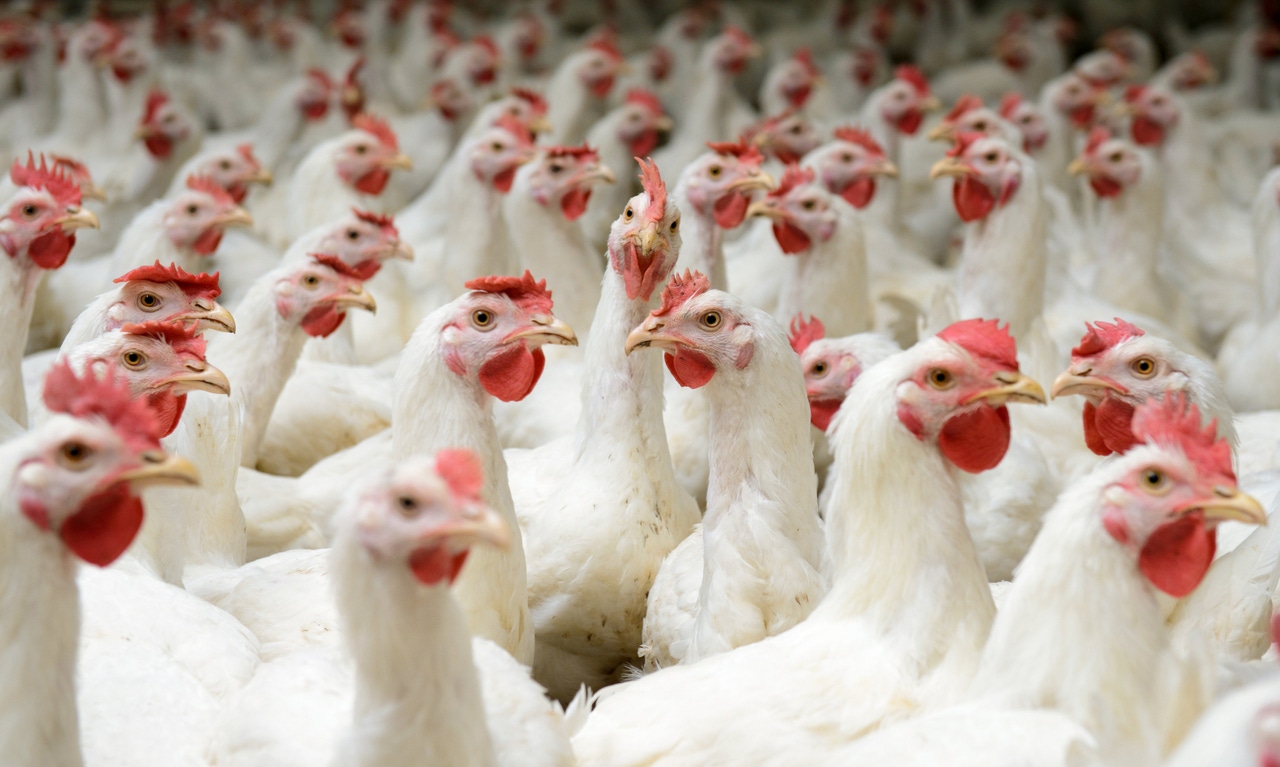
The primary culprit behind the price surge is the ongoing avian influenza outbreak that has persisted since 2022. The virus, primarily carried by migratory wild birds such as ducks and geese, has forced poultry farms to take drastic measures.
Any farm that detects bird flu must immediately cull its entire flock to prevent further spread. Given that some large-scale farms house over a million chickens each, even a handful of outbreaks can decimate the nation’s egg supply.
Since the outbreak began, over 145 million birds—including chickens, turkeys, and other poultry—have been slaughtered, with the majority being egg-laying hens. The consequences are long-lasting, as farms require months to clear carcasses, sanitize barns, and rebuild flocks.
Adding to the crisis, new cage-free laws in 10 states—including California, Washington, and Michigan—are squeezing supply further. The regulations, which require larger living spaces or cage-free conditions for hens, have driven up production costs and contributed to regional shortages.
At a Target in Chicago this week, the price gap was striking: conventional eggs were selling for $4.49 per dozen, while cage-free eggs were priced at $6.19.
Farms Fortify Defenses, But Bird Flu Evolves
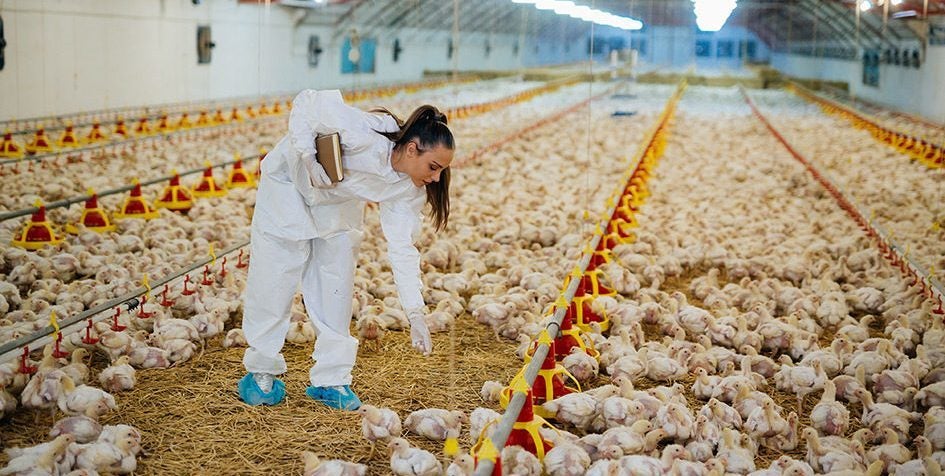
Farmers have invested heavily in biosecurity measures to shield their flocks, including:
- Truck wash stations to disinfect vehicles before entering farm premises
- Mandatory showers and clothing changes for workers
- Specialized tools assigned to each barn to prevent cross-contamination
- Laser deterrents to scare away wild birds carrying the virus
Despite these measures, the virus has proven more persistent than past outbreaks, failing to fade away in the summer heat as it typically would. In a concerning development, bird flu jumped to dairy cattle last March, creating new opportunities for transmission. Unlike chickens, infected cows aren’t culled since they rarely die from the disease, raising fears of prolonged outbreaks.
So far, more than 60 people—mostly farmworkers—have contracted the virus, with one reported fatality. Health officials emphasize that while human-to-human transmission hasn’t been observed, the potential for mutation remains a concern.
Government Response: Billions Spent, But No Clear Fix
The federal government has poured over $1.14 billion into compensating farmers for lost flocks, alongside $576 million in emergency response efforts. Despite these expenditures, prices remain volatile, and the search for a long-term solution continues.
Vaccines are being explored, but widespread poultry vaccination presents challenges. Experts warn that if the U.S. vaccinates its chickens, some countries may refuse to import American poultry, citing concerns over detecting the virus in vaccinated birds.
Meanwhile, the USDA insists that meat and dairy products remain safe:
- Pasteurization eliminates the virus from milk
- Cooking poultry to 165°F (74°C) kills bird flu, E. coli, and salmonella
Raw milk, however, has been linked to illnesses, prompting additional testing and safety measures at dairy farms.
Retailers Struggle as Profits Suffer
Grocery stores, too, are feeling the squeeze. Mike Vickers, a manager at Sentyrz Liquor & Supermarket in Minneapolis, said his store can’t even stock organic, cage-free, or brown eggs due to supply issues. The few eggs he does have come at a steep cost.
“It’s the first time in my life that I’ve been embarrassed to sell eggs at this price,” Vickers admitted. “We’re paying $7.45 for a dozen eggs and selling them for $7.59. We’re making 14 cents. That doesn’t even pay the bills.”
The Road Ahead: Will Relief Come?
As Easter approaches—a season known for peak egg consumption—the market is bracing for even higher prices and potential shortages. With no immediate fix to the bird flu crisis, consumers and retailers alike may have to adjust expectations for the foreseeable future.
For now, Americans must navigate the era of “Eggflation”, where breakfast staples are suddenly luxury items—and there’s no clear end in sight.