Sudan’s Silent Destruction: Gold-Fueled War Leaves Thousands Dead, Millions Displaced


For nearly two years, Sudan has been engulfed in a devastating conflict that has left the nation in ruins, its people starving, and its future uncertain. While the world watches other global crises unfold, a silent genocide is taking place—one marked by mass killings, systematic rape, and a famine threatening to wipe out an entire generation.

A Nation Torn Apart by War
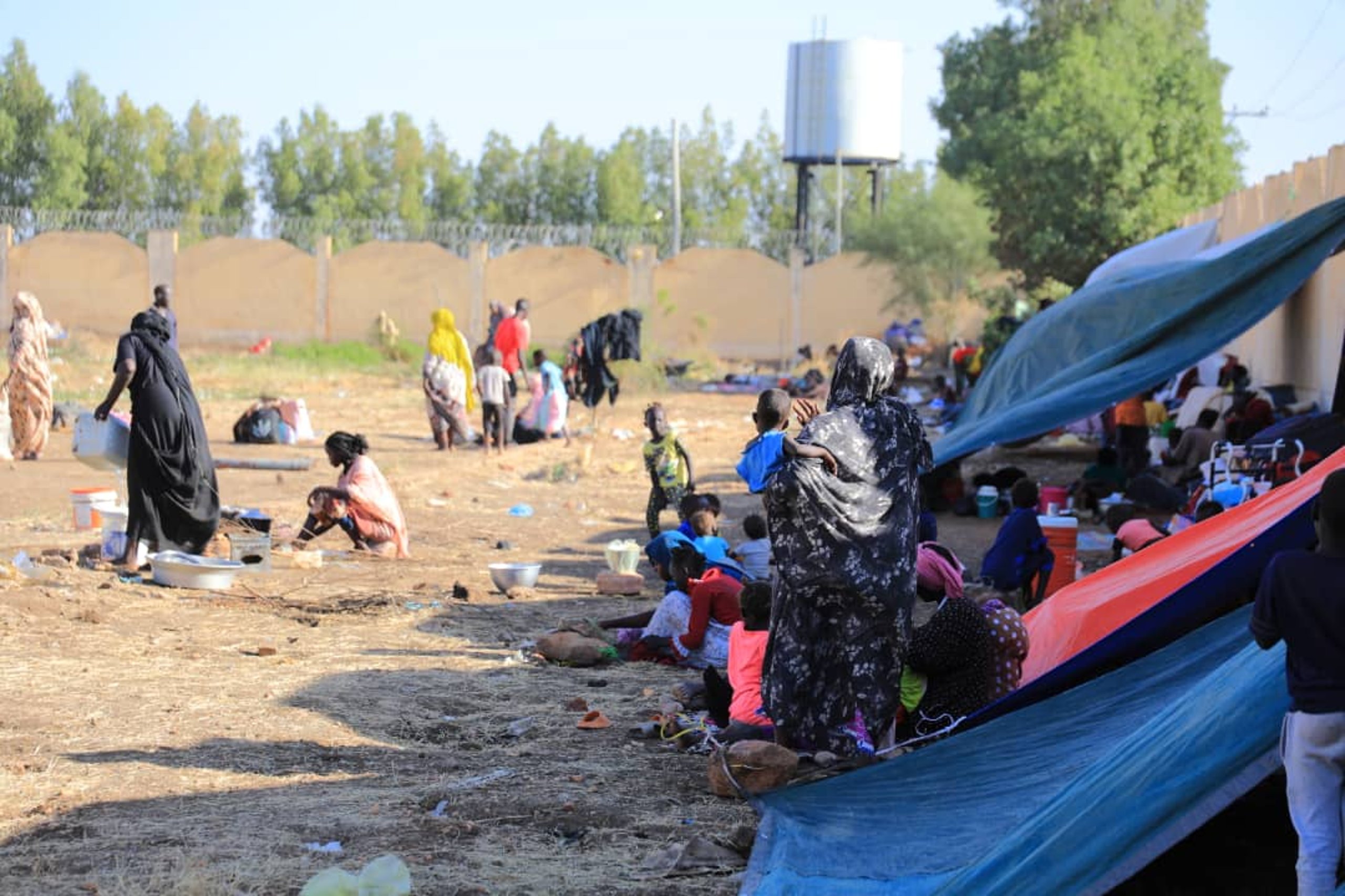
The war between Sudan’s military factions—led by rival generals battling for control—has turned the country into a battleground where civilians are the ultimate casualties. More than 61,000 lives have been lost, millions have been wounded, and over 11.5 million have been forced from their homes.
“The situation in Sudan is just awful,” said Dervla Cleary of the U.N.’s Food and Agriculture Organization. “The scale of suffering is unimaginable.”
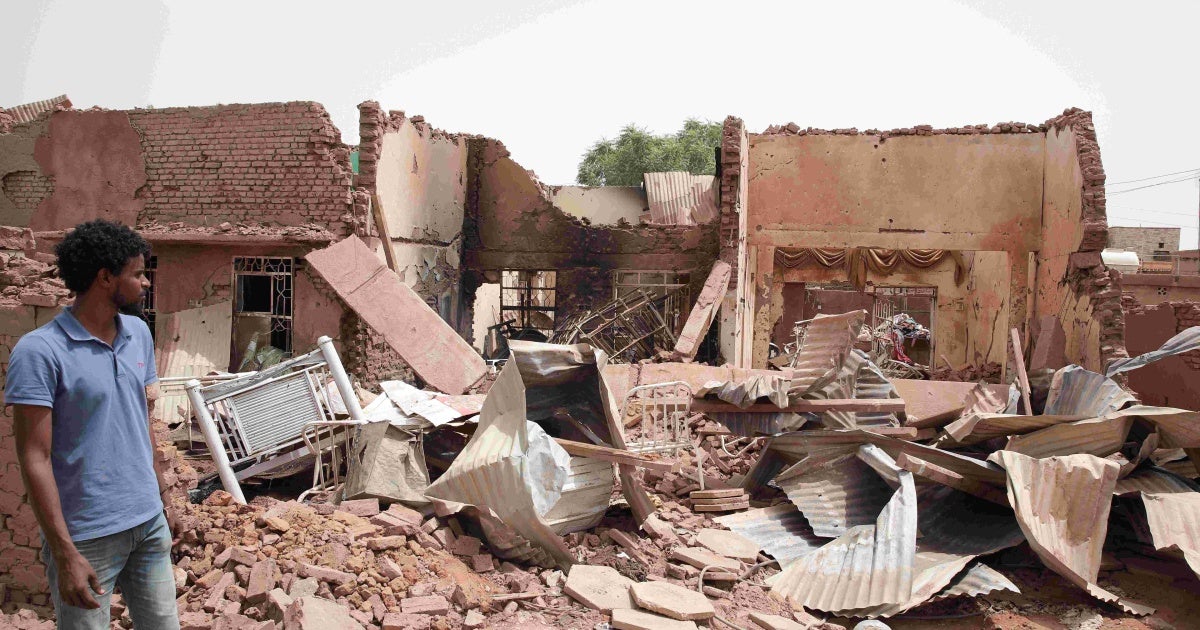
The United Nations calls the humanitarian crisis in Sudan “catastrophic.” The U.S. has officially labeled it genocide.
Former Secretary of State Antony Blinken minced no words before the U.N. Security Council:
“Each day brings new atrocities—attacks on hospitals, markets, displaced persons camps. Women and girls are subjected to unspeakable sexual violence.”

A Nation Starving, A Country Plundered
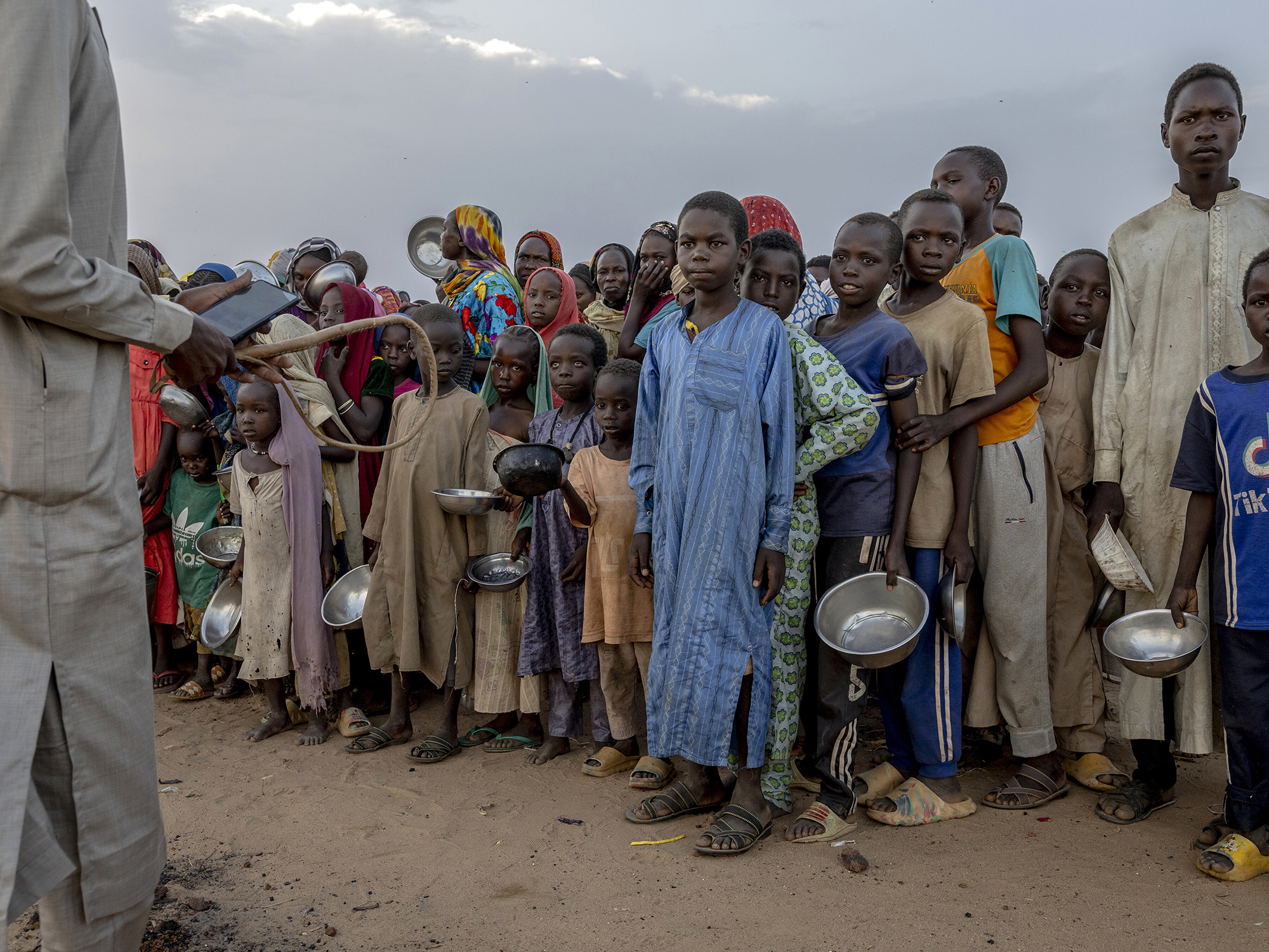
With Sudan’s food systems obliterated, famine is now tightening its grip. Tina Ramirez, founder of HardWired Global, says the tragedy is twofold.
“If Sudan’s agricultural resources were fully utilized, it could feed half of Africa. Instead, its people are starving while warlords exploit its gold and other resources.”
At least 25 million Sudanese—half the country’s population—are now facing acute hunger, the highest number in the world. And yet, the war rages on, funded by the very nations that claim to promote peace.
Nathaniel Raymond, a Yale University researcher documenting the war’s atrocities, described it as “the murder of a country.”
“We’ve seen villages burned, civilians massacred, hospitals bombed, and critical infrastructure systematically destroyed,” he told CBN News. “This is not just a war. It is a robbery. Sudan’s wealth is being looted while its people die.”
The Business of War: Who’s Profiting from Sudan’s Suffering?
Sudan is one of Africa’s largest gold producers, a fact that has made it a lucrative prize for international powers. Russia, Iran, Egypt, and the United Arab Emirates are all funneling weapons into Sudan in exchange for gold, fueling the very war that is destroying the nation.
“Both the Rapid Support Forces (RSF) and the Sudanese Armed Forces are selling off the country’s mineral wealth,” Raymond explained. “And it’s those outside actors—especially the UAE and Iran—who are keeping this war alive.”
Women and Children: The War’s Forgotten Victims
The horrors of Sudan’s war extend beyond bullets and bombs. Rape has been used as a weapon of war, with women and girls—some as young as eight—falling victim to brutal assaults.
“The civilian population has taken a horrible toll,” said Ramirez. “The sexual violence against women, from ages 8 to 75, is just unconscionable.”
More than three million people—mostly women and children—have fled to neighboring countries, seeking refuge in places that are ill-equipped to support them. Chad alone has seen an influx of starving, malnourished Sudanese children, with 40% of those arriving in emergency clinics suffering from severe malnutrition.
A Cry for Help Amidst Global Silence
Christian aid groups, like World Vision, are working tirelessly to provide relief, but access to the hardest-hit areas remains blocked by ongoing violence.
“Today, I’m making a call to the international community to come together and demand peace in Sudan,” said Simon Mane, World Vision Sudan’s country director. “This is a forgotten crisis because of what’s happening in Gaza and Ukraine, but it doesn’t have to be.”
World Vision has already helped three million Sudanese by delivering food, clean water, and sanitation, but that’s just a fraction of what’s needed. Mane is calling on both warring factions to open safe corridors for aid workers to reach the most vulnerable.

No End in Sight: The Future of Sudan’s People
As the war enters its 21st month, there is no sign of de-escalation. If anything, the violence is escalating.
“In comparison to Ukraine and so many other conflicts, Sudan’s crisis is far worse,” Ramirez warned. “The world cannot look away.”
She is urging President Trump to appoint a special envoy to address the crisis, pressuring both sides to come to the negotiating table before Sudan collapses entirely.
As Sudan bleeds, the world remains largely indifferent. But the cost of ignoring this crisis is one that humanity cannot afford to pay.