President Trump Pardons 23 Pro-Life Protesters in Landmark Decision

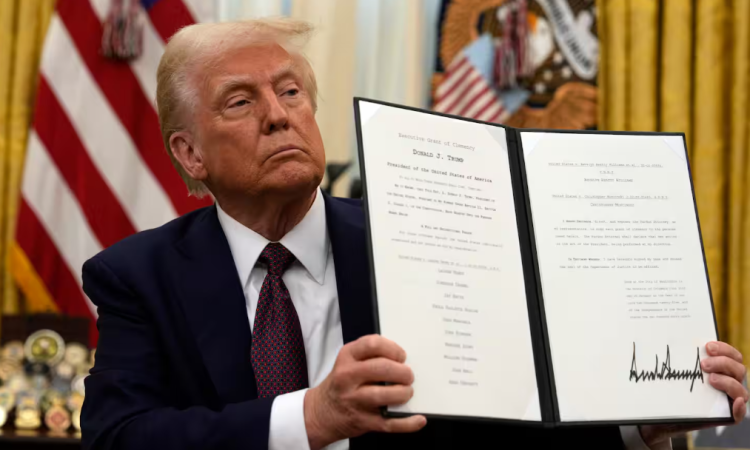
In a move that has reignited debates over free speech, religious liberty, and the justice system, President Donald Trump today issued pardons for 23 pro-life protesters who had been prosecuted under the Biden Administration. The White House described the individuals as “unjustly targeted,” framing the prosecutions as a politically motivated crackdown on peaceful activism.

Trump Condemns Prosecutions as “Ridiculous”
While signing the pardons, Trump criticized the legal actions taken against the protesters. “Twenty-three people were prosecuted; they should not have been prosecuted,” he stated. “Many of them are elderly people. This is a great honor to sign this.”
The pardoned individuals include several high-profile names within the pro-life movement, such as Joan Bell, Coleman Boyd, Lauren Handy, and Fr. Fidelis Moscinski, among others. Their cases had drawn significant attention from conservative and religious organizations, which argued that the charges represented an overreach by federal prosecutors.
Senator Hawley’s Call to Action
Earlier in the day, Senator Josh Hawley (R-MO) delivered a passionate speech on the Senate floor, condemning the prosecutions as a “dark period of our history” and “a grotesque assault on the principles of this country.”
Hawley praised Trump’s decision, stating, “He can right the wrongs that this last administration perpetrated. He can, again, renew the commitment that is found right there in our Constitution—that commitment to honor liberty of conscience, to honor the right to follow God, to live out our faith peaceably, which is exactly what these pro-life prisoners were doing.”
Legal Advocacy and the Role of the Thomas More Society
The Thomas More Society, a nonprofit law firm specializing in religious freedom cases, played a pivotal role in advocating for the pardons. In a letter addressed to Trump, the organization described the protesters as “unjustly imprisoned” and noted that their clients had taken heart from Trump’s campaign promises.
“They have been heartened during their imprisonment and unjust prosecutions by your repeated messages to them during your campaign, urging them to persevere until you were able to take office, review their cases, and free them,” the letter read.
Pro-Life Advocacy at the Forefront
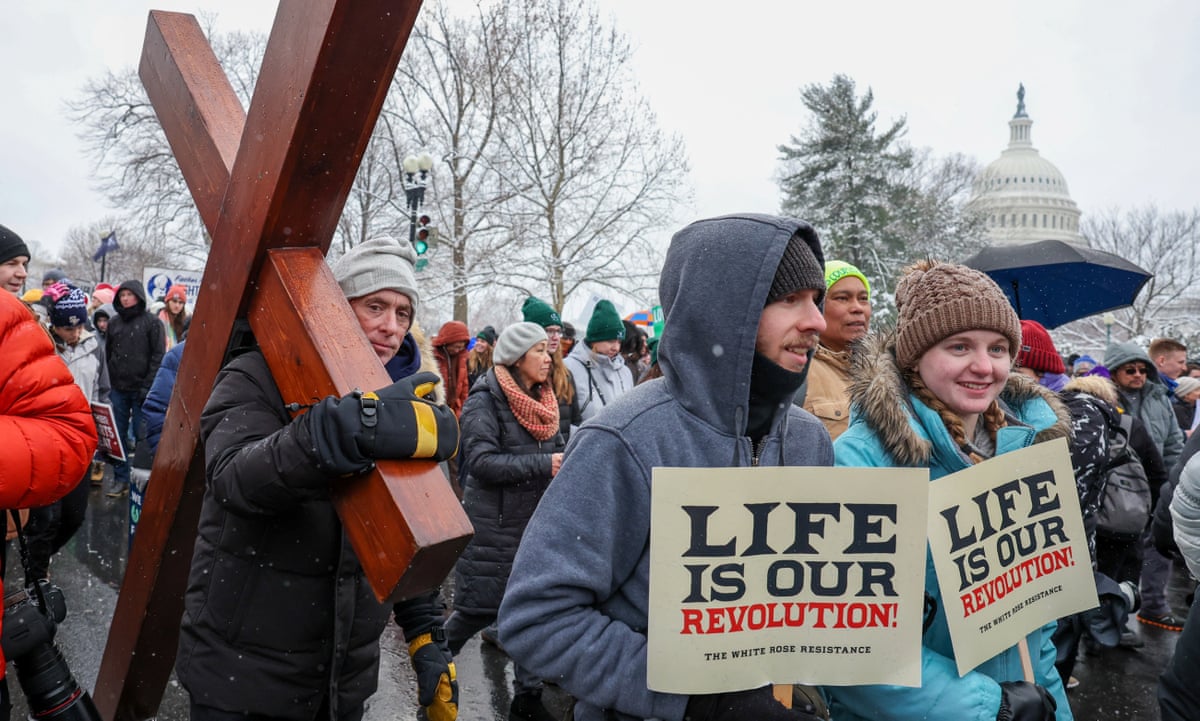
The pardons come on the eve of the annual March for Life in Washington, D.C., where tens of thousands of pro-life supporters are expected to gather. This year’s theme, “Life – Why We March,” emphasizes the humanity of every individual and highlights resources available to support both mothers and children.
President Trump is set to deliver a video address at the event, while Vice President J.D. Vance will make his first public appearance since taking office to speak in person. Organizers have framed the event as a celebration of the pro-life movement’s successes and a call to action for future advocacy.
Context and Implications
Trump’s pardons have sparked widespread reactions, with supporters lauding the move as a victory for free speech and religious liberty. Critics, however, argue that the decision undermines the rule of law and sets a dangerous precedent for selective enforcement of justice.
This high-profile decision also underscores the deep cultural and political divisions surrounding the abortion debate in the United States. As the pro-life movement gains momentum, the pardons serve as a rallying point for advocates who view the protesters as martyrs for their cause.
Looking Ahead
With the March for Life set to dominate the national conversation, Trump’s pardons have amplified the spotlight on the pro-life movement and its future under his leadership. For many, this moment represents not only a vindication for those pardoned but also a broader call to reaffirm foundational rights enshrined in the Constitution.
As the nation watches the unfolding events, the pardons mark a decisive moment in the ongoing struggle between advocates of life and the complexities of modern governance.