
A Bold Move Toward Meritocracy: President Trump Dismantles DEI Programs in Federal Government

The Executive Order: A Shift to Merit-Based Governance
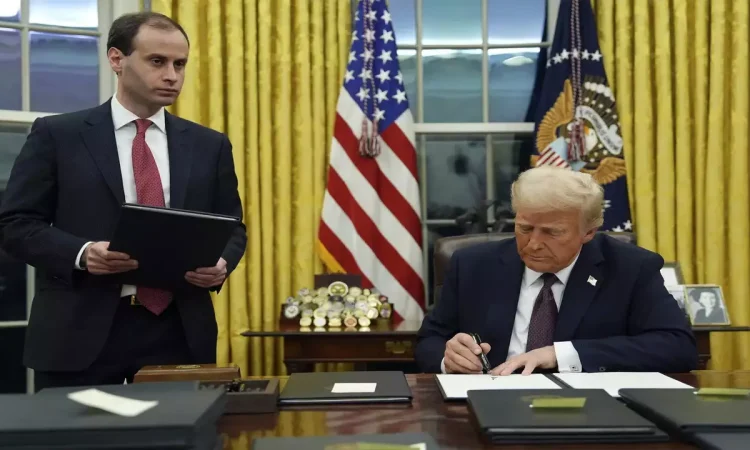
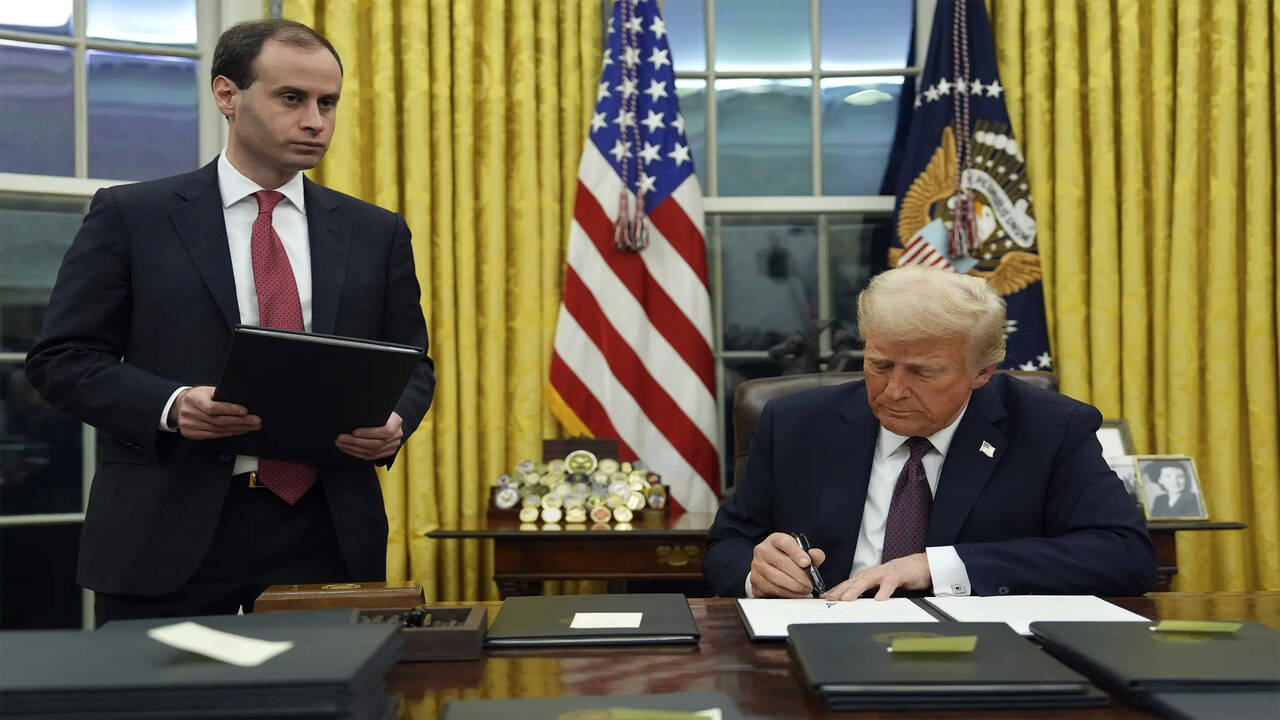
The directive follows Trump’s signing of the “Ending Radical and Wasteful Government DEI Programs and Preferencing” executive order on Monday. In the order, Trump declared, “Americans deserve a government committed to serving every person with equal dignity and respect, and to expending precious taxpayer resources only on making America great.”
The memo instructed federal departments and agencies to notify affected employees by 5 p.m. Wednesday and to prepare written plans for dismissing DEI-related staff by January 31. Agencies were also directed to remove DEI program websites and social media accounts.
White House Press Secretary Karoline Leavitt praised the move as a fulfillment of Trump’s campaign promise to dismantle DEI programs. “This is another win for Americans of all races, religions, and creeds. Promises made, promises kept,” Leavitt stated.
Criticism and Controversy Surrounding DEI
The executive order comes amidst growing criticism of DEI initiatives, which gained momentum during the Biden Administration. Critics argue that DEI programs often prioritize identity factors such as race and gender over merit and qualifications, leading to perceived inefficiencies and undermining public trust.
Examples of DEI-related controversies have fueled the debate. A Carolina Journal report highlighted a Duke University Medical School surgical resident’s claim that the institution abandoned traditional hiring metrics in favor of DEI practices. Similarly, a United Airlines pilot training program allegedly advanced an individual who had been on a “Do Not Rehire” list and failed simulator exams. Critics, including Congressman Dan Bishop of North Carolina, have warned that such practices risk public safety and compromise professional standards.
“These programs do not serve the public interest and, in many cases, do more harm than good,” said Bishop in response to Trump’s executive order.
Impact and Uncertainty
While Trump’s directive signals a decisive policy shift, the scope of its impact remains unclear. The federal government has not disclosed how many employees or offices will be affected. Critics of the decision argue that dismantling DEI programs without addressing systemic inequalities could exacerbate disparities.
Proponents, however, see the move as a necessary correction to what they view as excessive social engineering within the federal workforce. Trump’s executive order emphasizes “rewarding individual initiative” and prioritizing merit over identity factors.
A Vision for a Colorblind Society
Trump’s actions align with his vision of a “colorblind and merit-based society,” a theme he emphasized during his inaugural speech earlier this week. “This week, I will also end the government policy of trying to socially engineer race and gender into every aspect of public and private life,” he said. “We will forge a society that is colorblind and merit-based.”
Broader Implications
The decision to dismantle DEI programs is likely to resonate beyond the federal government, potentially influencing private sector practices and reigniting national debates about the role of equity initiatives in modern workplaces. As critics and supporters clash over the merits of the directive, Trump’s move underscores the ideological divide shaping the nation’s approach to diversity and inclusion.
Whether this bold step will lead to a more equitable society or deepen existing divides remains to be seen. For now, the dismantling of DEI programs signals a pivotal moment in the evolving conversation about race, merit, and governance in America.




 programs on administrative leave. The move, detailed in a memo from the Office of Personnel Management (OPM), marks the first step in dismantling all DEI-related offices and programs across federal agencies.)


