Archbishop of York Charts Bold Course for Clergy Wellbeing and Same-Sex Marriage Debates


In a defining moment for the Church of England, Archbishop of York, Most Rev Stephen Cottrell, has unveiled his priorities as he steps into temporary leadership of the Church this year. With a focus on clergy wellbeing and addressing the contentious issue of same-sex relationships, his leadership promises to be both reflective and transformative.
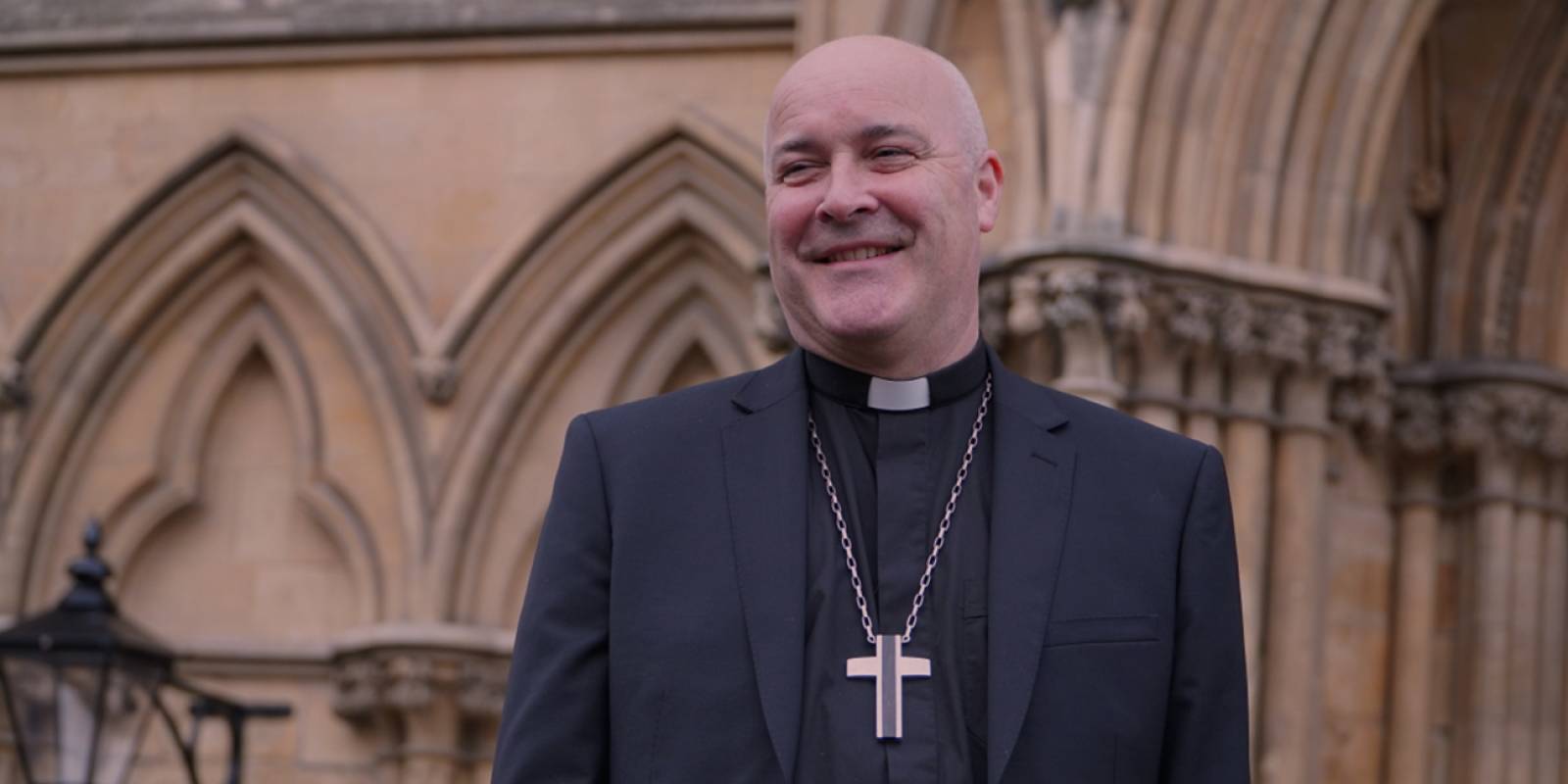
In a candid letter published on his official website, Archbishop Cottrell outlined his commitment to improving conditions for clergy, starting with their stipends. Highlighting last year’s seven percent increase in the minimum stipend level, now at £28,670, he expressed a strong desire to push for further increments. “I want to do everything possible to increase the stipend level for clergy who are paid for their ministry by their congregation,” he wrote, underscoring the need for financial sustainability in ministry.
Another key priority is the examination of clergy terms of service. The Archbishop revealed plans to enhance accountability for all levels of leadership, including bishops, and to deliberate on whether clergy should transition to being formal employees—a significant shift that could reshape the structure of Church governance.
Archbishop Cottrell’s tenure as interim leader comes amid a season of change for the Church. He will remain at the helm until the appointment of a successor to Archbishop Justin Welby in the autumn. Describing the complex nature of his temporary role, he remarked, “It’s at least four jobs wrapped into one—spiritual leader of the worldwide Anglican Communion, spiritual head of the Church of England, Primate of the Province of Canterbury, and Diocesan Bishop.”
One of the most delicate issues under his leadership will be addressing the Church’s stance on same-sex relationships. Archbishop Cottrell acknowledged that discussions on introducing bespoke services for same-sex couples are on the horizon. While clergy are currently allowed to offer blessings with prayers of love and faith, the Archbishop emphasized that any new decisions must respect “the conscience and theological conviction of clergy, lay ministers, and churches who can’t use the services.”
Archbishop Cottrell’s leadership will involve close collaboration with the Bishop of London, Rt Rev Dame Sarah Mullally, who serves as Dean of the Province of Canterbury. Reflecting on the challenges ahead, he admitted his awareness of his “own needs and shortcomings” but expressed determination to navigate change with accountability.
“I will then look forward to working closely with whomever the Spirit calls to be the next Archbishop of Canterbury,” he concluded, signaling a hopeful and inclusive vision for the future.
As the Church of England stands at a crossroads, Archbishop Cottrell’s temporary leadership is set to steer pivotal conversations about faith, inclusivity, and the well-being of its clergy. His focus on balancing tradition with progress may mark a significant chapter in the Church’s history.