Historic Political Earthquake: France’s Prime Minister Ousted in Shocking No-Confidence Vote


In a political upheaval not seen since 1962, France’s Prime Minister Michel Barnier and his Cabinet have been forced to resign following a historic no-confidence vote in the National Assembly. The vote, triggered by budget disputes and fueled by a rare alliance between far-right and left-wing lawmakers, leaves President Emmanuel Macron navigating uncharted waters in an already deeply divided parliament.

With 331 votes in favor of the motion—well above the required 288—the embattled Barnier has become the shortest-serving prime minister in France’s Fifth Republic, lasting less than three months in office.
“This no-confidence motion will make everything more serious and more difficult. That’s what I’m sure of,” Barnier said in a somber farewell speech.
A Fractured Parliament and a Broken Budget
At the heart of the political drama lies Barnier’s proposed budget, which sparked fierce backlash from both ends of the political spectrum. France’s National Assembly is splintered into three major blocs: Macron’s centrist allies, the left-wing New Popular Front, and the far-right National Rally. Typically adversaries, the latter two joined forces to condemn Barnier’s austerity measures and perceived neglect of citizens’ needs.
Marine Le Pen, leader of the far-right National Rally, called the budget “toxic” in a televised statement. “We had a choice to make, and our choice is to protect the French,” she said, while also accusing Macron of being “largely responsible” for the escalating crisis.
From the left, hardliner Eric Coquerel criticized the government’s approach, advocating for emergency measures to stabilize public finances without burdening citizens further. “The special law will prevent a shutdown. It will allow us to get through the end of the year by delaying the budget by a few weeks,” Coquerel said ahead of the vote.
Macron Under Pressure to Deliver Stability
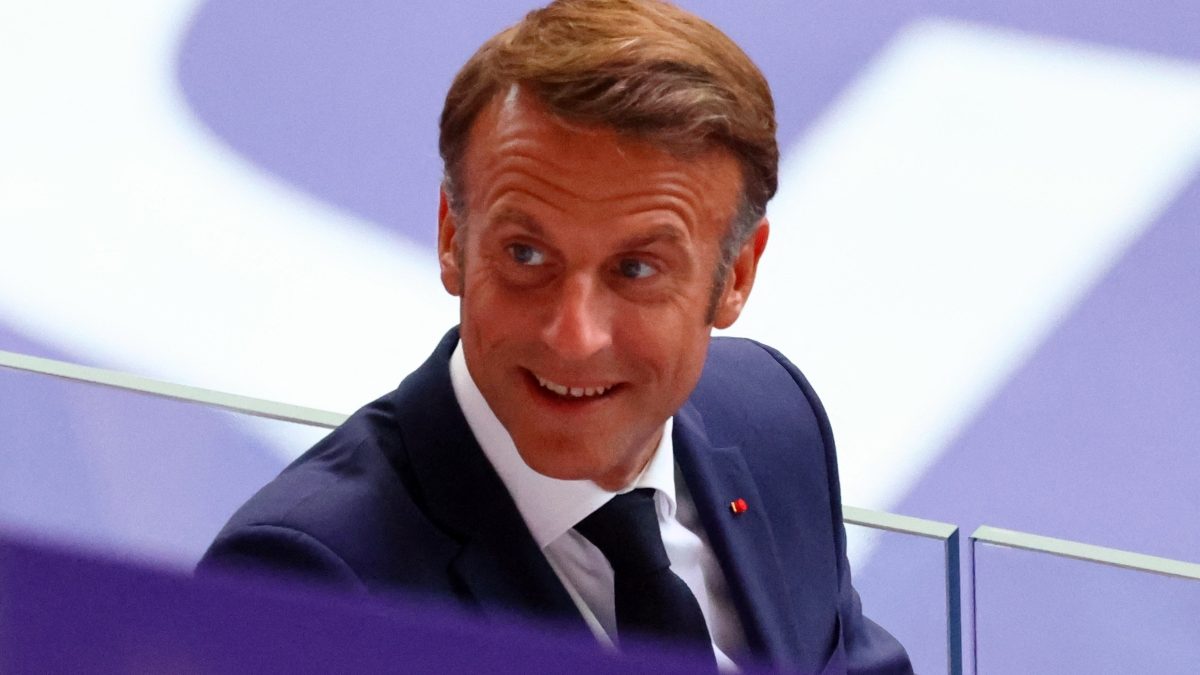
President Macron, whose second term runs until 2027, now faces the monumental task of appointing his second prime minister in less than a year. The fragmented parliament remains a minefield, with no single party holding a majority and legislative elections unlikely before July.
In a recent trip to Saudi Arabia, Macron dismissed speculation about his own resignation, labeling it “make-believe politics.” “I’m here because I’ve been elected twice by the French people,” he said, emphasizing his intention to serve out his term.
Macron will address the nation on Thursday evening to outline his plans for navigating this crisis. While his office has provided no details, political analysts anticipate he will seek to reassure both citizens and financial markets amid growing concerns over France’s economic stability.
Economic Repercussions Loom
The political turmoil comes as France grapples with a ballooning deficit, projected to hit 6% of GDP this year and potentially rising to 7% in 2024. With pressure from the European Union to rein in its debt, the instability could ripple through financial markets, raising borrowing costs and stalling growth.
Carsten Brzeski, global chief of macroeconomics at ING Bank, warned that uncertainty over France’s governance is already deterring investment. “The impact of France not having a government would clearly be negative for the growth of France and hence the Eurozone,” he said.
While France is unlikely to face a U.S.-style government shutdown, its rising bond yields are drawing comparisons to the Greek debt crisis of the early 2010s. Analysts remain cautiously optimistic, citing robust demand for French bonds and potential intervention from the European Central Bank if market conditions deteriorate further.
)
A Divided Nation Looks Ahead
The fall of Michel Barnier’s government marks a defining moment in French politics, exposing the fragility of Macron’s leadership and the volatile nature of a fractured parliament. As France awaits its next prime minister, the question remains: can Macron chart a path forward in a nation increasingly divided by ideology and economic strain?
With the eyes of Europe fixed on France, Macron’s Thursday address could set the tone for what promises to be a turbulent chapter in the country’s modern history.