The Choice of Dignity: Britain Stands at the Crossroads of Compassion and Controversy

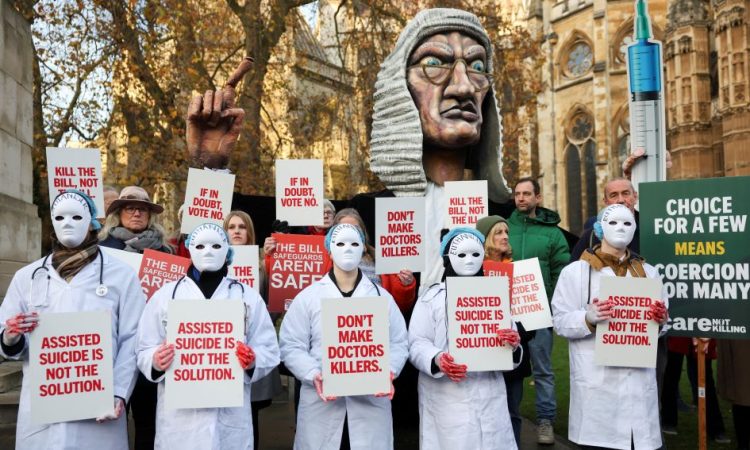
On a crisp Friday morning, British lawmakers are poised to cast their votes on one of the most consequential social reforms of a generation. The “Terminally Ill Adults (End of Life)” bill—designed to grant terminally ill, mentally competent adults the right to choose medically assisted dying—has ignited a fervent national conversation, touching the raw nerves of morality, autonomy, and human dignity.

The parliamentary chamber, a centuries-old bastion of debate and deliberation, finds itself at the heart of a modern ethical quandary. As Labour MP Kim Leadbeater stood before her peers to introduce the bill, she articulated the emotional weight behind it: “We are not choosing between life and death. We are choosing how to honor the dignity of those who are dying.”
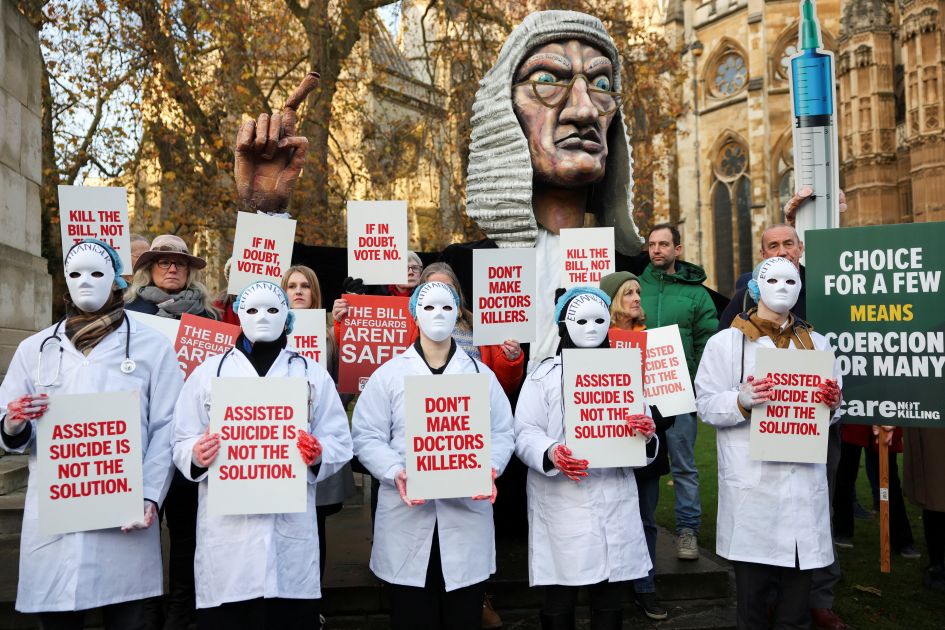
Outside, the air brims with passion and opposing pleas. Protesters brandish signs with conflicting messages—some imploring “Let them choose,” while others assert, “Don’t make doctors killers.” For every voice advocating for compassion through choice, another warns of the societal and moral perils lurking behind a policy change of this magnitude.
A Society Divided
Public opinion appears decisively in favor of the bill, with polls suggesting a majority of Britons support the concept of assisted dying. Yet, inside parliament, uncertainty looms. Lawmakers from across the political spectrum grapple with conflicting viewpoints, swayed by impassioned speeches, personal stories, and the unresolved ethical dilemmas underpinning the proposed legislation.
Emma Hobbs, a former nurse, stood outside the gates of Westminster clutching photographs of her father. “He died in agony,” she said, her voice trembling. “This bill isn’t about giving up on life. It’s about giving people the ability to pass on their own terms.”
Such stories resonate deeply with advocates, who argue that assisted dying offers an end to unnecessary suffering. However, opponents like Conservative MP Danny Kruger warn of the unintended consequences. “If I voted for this bill, I would have on my conscience many more vulnerable people whose voices we cannot hear,” he cautioned during the debate.
Critics often point to Canada, where the expansion of assisted dying laws has raised concerns over safeguarding vulnerable populations. Leadbeater dismissed such fears, promising stringent criteria and insisting the UK’s approach would remain carefully controlled.
Faith, Ethics, and Autonomy
The debate has cut across traditional lines of faith, ethics, and politics, drawing voices from every corner of British society. Former prime ministers, religious leaders, medical professionals, and disability advocates have weighed in, illustrating the issue’s complexity.
Faith leaders, in particular, have expressed concern over the moral implications. “Life is sacred, even in its most fragile moments,” a bishop commented during a televised panel. Meanwhile, medical professionals remain divided, with some embracing the potential to alleviate suffering, while others fear the erosion of their role as healers.
The Broader Implications
The vote on Friday is only the beginning of what promises to be a long and contentious journey. Even if the bill passes its initial reading, it faces additional scrutiny and legislative hurdles in 2025. Yet, its introduction has already achieved something profound: sparking a national reckoning on the dignity and meaning of life’s final chapter.
Whether lawmakers decide to move forward or hold back, the debate over assisted dying has forced Britain to confront its values in a deeply personal and collective sense. As Emma Hobbs so poignantly put it, “It’s about letting your loved ones have their own wish.”
As the votes are cast, Britain stands on the precipice of change, caught between the weight of tradition and the pull of progress—a moment that will surely echo through history, regardless of the outcome.