Lost Cities Revealed: 1,600-Year-Old Churches and Jesus Mural Uncovered in Egyptian Desert

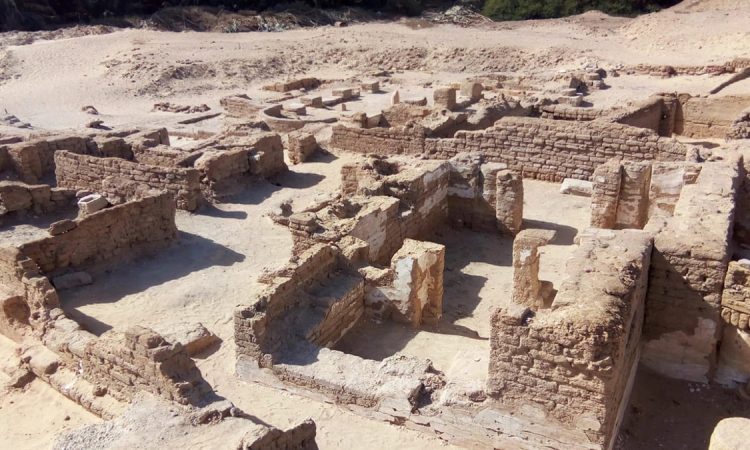
In a groundbreaking archaeological discovery, two ancient churches dating back over 1,600 years have been unearthed in Egypt’s Western Desert, specifically at the Kharga Oasis settlement. The excavation, announced by the Egyptian Ministry of Tourism and Antiquities, sheds light on the significant transition from paganism to Christianity in the region during the 4th century A.D.
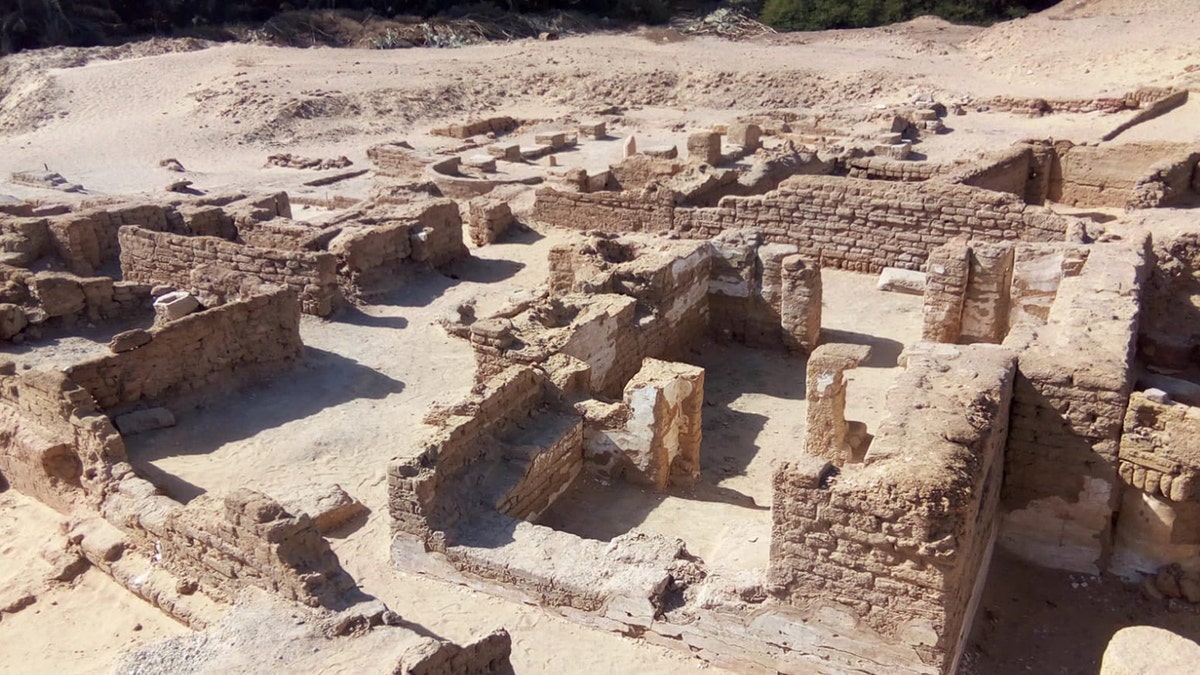
The Discovery
The archaeological site at Kharga Oasis has yielded remarkable findings, including the remains of an entire settlement with mudbrick structures, some still retaining plaster. The team discovered ovens, large clay jars for storing food, inscribed pottery shards, vessels, glass and stone pieces, and several burials. However, the centerpiece of the excavation is the discovery of two churches, both dating back to the early Coptic era.
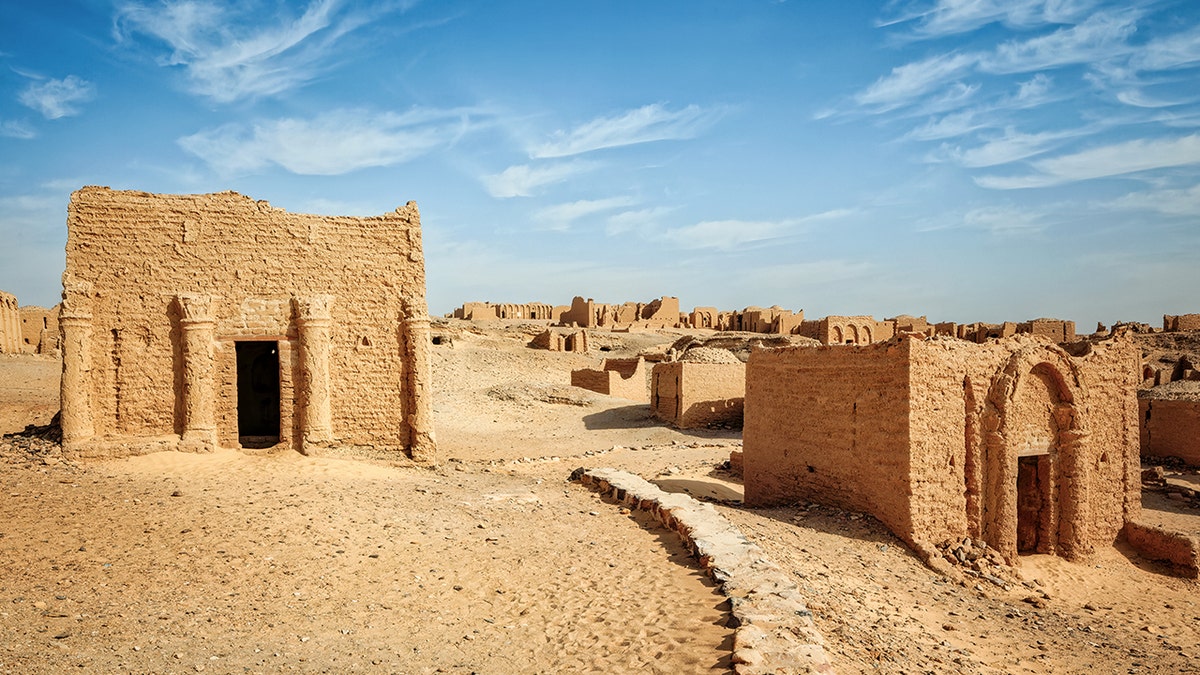
The Churches
One church is a grand basilica made of mudbrick, featuring a large hall and two aisles. The second church is smaller, with a rectangular layout surrounded by the remains of seven external columns and adorned with Coptic inscriptions on its inner walls. Service buildings were also found to the west of the smaller church.
A Rare Mural of Jesus
Beyond the churches, archaeologists uncovered a remarkable mural depicting Jesus Christ healing a sick person, a rare representation from that period. Although no pictures of the mural were released, likely due to conservation reasons, the discovery provides valuable insights into the artistic traditions of early Coptic communities.
Significance of the Find
The discovery highlights the importance of Egypt’s Western Oases as centers of religious and social life in different eras. According to the Egyptian Ministry of Tourism and Antiquities, the finding “sheds light on a significant era in the history of the Kharga Oasis, namely the beginnings of the Coptic period in Egypt”. The excavation also underscores the tolerance and cultural diversity that characterized Egyptian civilization.