XCLUSIVE: “My Faith or My Job” – Wisconsin Man Fired Over Pronouns Pleads for Trump’s Help in Religious Liberty Showdown

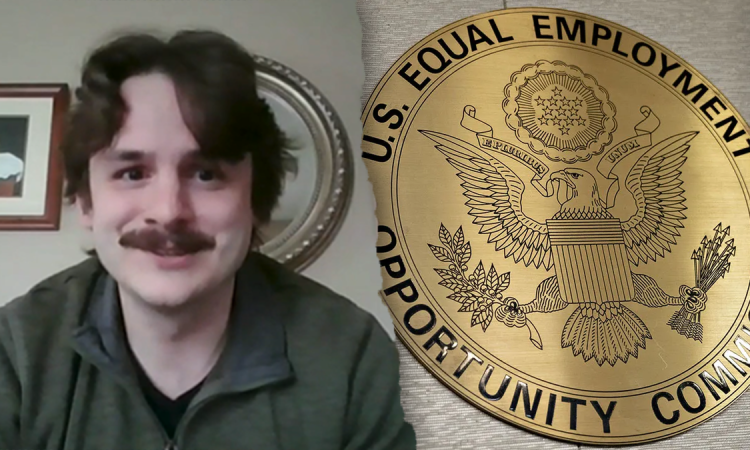
Spencer Wimmer says he was forced out of his career for refusing to compromise his Christian beliefs. Now, he’s taking his fight to Washington—and it could reshape workplace religious rights in America.
WAUKESHA, WISCONSIN – Spencer Wimmer never expected his deeply held Christian faith to cost him his career. For five years, he had been a rising star at Generac Power Systems—earning promotions, glowing performance reviews, and a reputation as a “model employee.” But in a single meeting with human resources, everything changed.
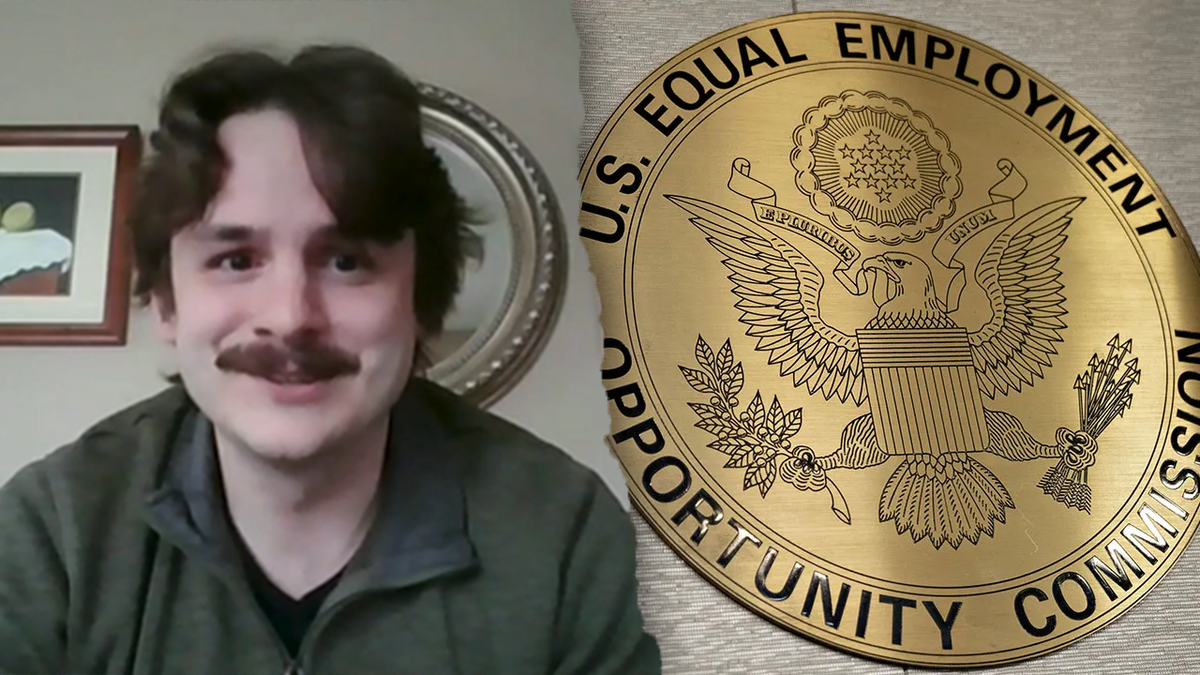
His offense? Refusing to use a transgender colleague’s preferred pronouns—a stance he says is rooted in his Biblical belief that gender is immutable. Now, after being abruptly fired and escorted out of the building, Wimmer is calling on the Trump administration to intervene in what he describes as a blatant case of religious discrimination.
“I was asked to choose between my livelihood and my love for God,” Wimmer told Fox News Digital in an exclusive interview. “It was heartbreaking. Everything was ripped out from under me.”
His case, filed with the U.S. Equal Employment Opportunity Commission (EEOC) through the Wisconsin Institute for Law & Liberty (WILL), could become a defining battle in America’s culture wars—testing whether employers can compel speech that violates an employee’s religious convictions.
A Sudden Clash of Beliefs
Wimmer insists he harbored no ill will toward his transgender coworker. In fact, he says they had a functional, even friendly, professional relationship. But when HR confronted him about his refusal to use the employee’s preferred pronouns, he explained that doing so would violate his faith.
“I don’t hate anyone. I just can’t affirm something I believe is untrue,” Wimmer said. “I never asked Generac to choose between me and this other individual. There was room for compromise—but they wouldn’t allow it.”
Instead, Generac issued him a disciplinary write-up, accusing him of violating the company’s “Code of Business Conduct and No Harassment Policy.” According to WILL, HR dismissed his religious objection as “not making any sense.”
One month later, he was terminated.
A Legal and Political Firestorm
Wimmer’s case arrives at a pivotal moment. The Trump administration has aggressively rolled back workplace DEI (Diversity, Equity, and Inclusion) mandates, and newly installed EEOC Acting Chair Andrea Lucas has vowed to root out “unlawful DEI-motivated discrimination.”
Legal experts say Wimmer’s challenge could hinge on Groff v. DeJoy, a landmark 2023 Supreme Court ruling that strengthened protections for employees seeking religious accommodations.
“This isn’t just about Spencer—it’s about every American who shouldn’t have to check their faith at the workplace door,” said WILL attorney Cara Tolliver. “Title VII protects against religious discrimination, and no gender identity policy nullifies that.”
Generac has declined to comment, citing pending litigation. But Wimmer’s fight is far from over. With the Trump administration’s EEOC now reviewing his complaint, his case could set a precedent—determining whether faith still has a place in the modern American workplace.
“I just want to work without being forced to deny what I believe,” Wimmer said. “If the government won’t defend that, then who will?”